













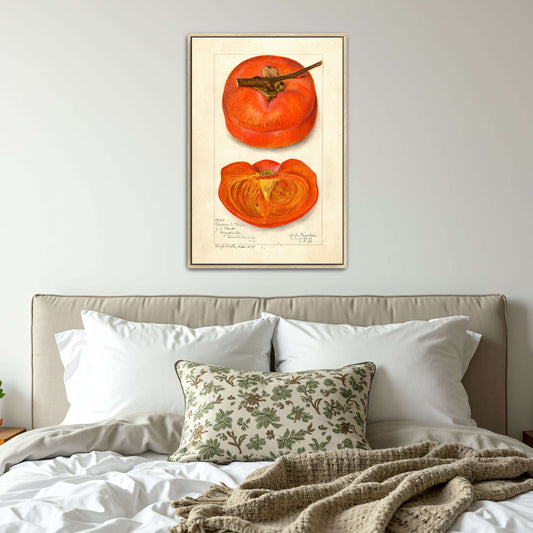
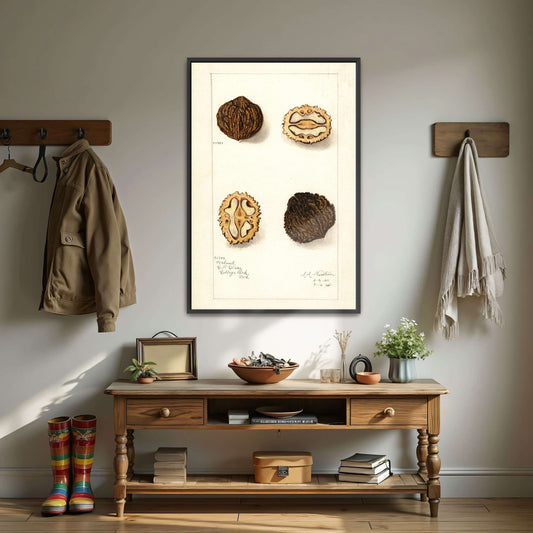
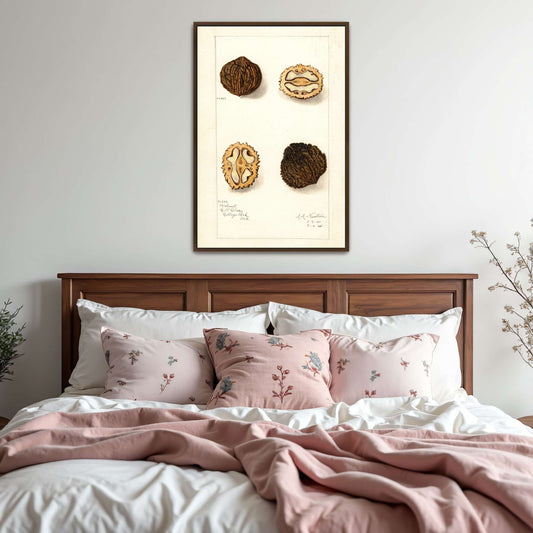

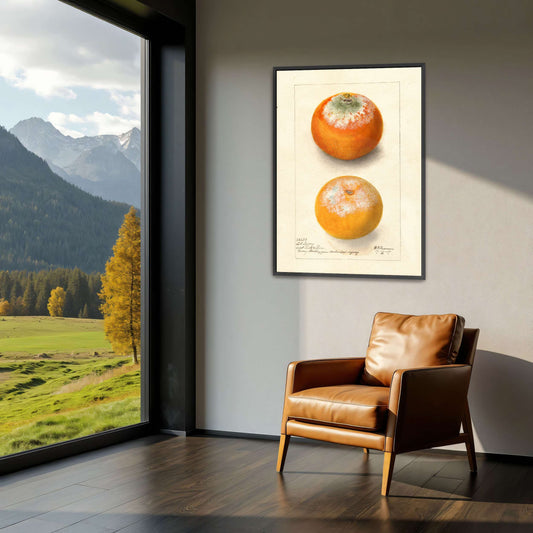


Vintage kitchen art from the USDA fruit collection
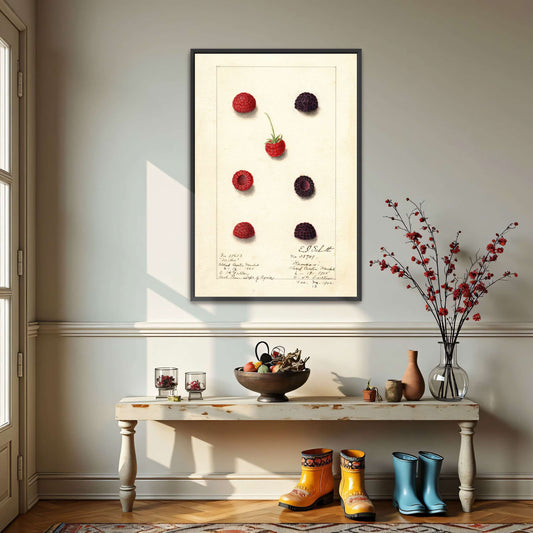
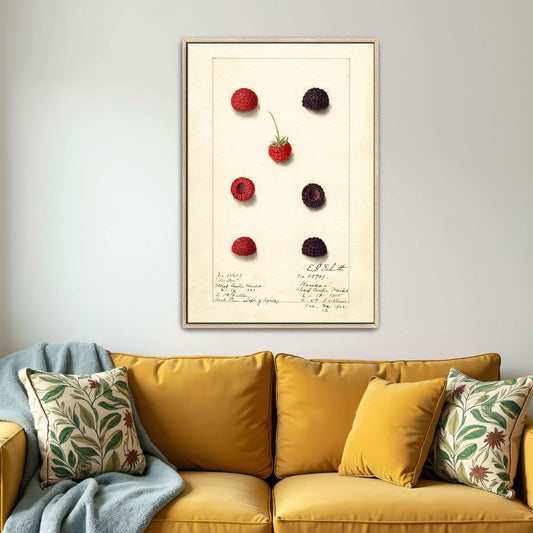
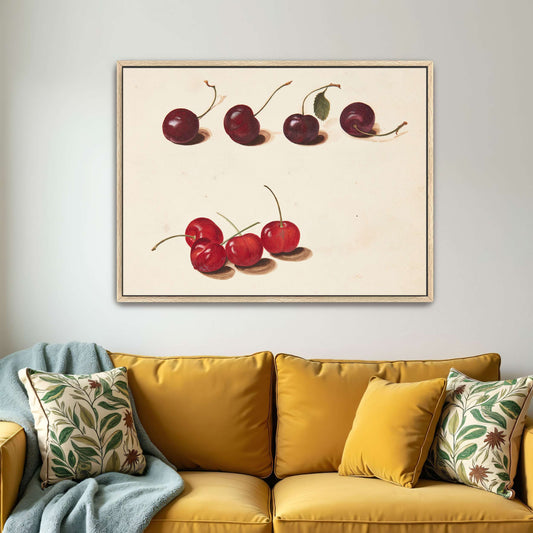
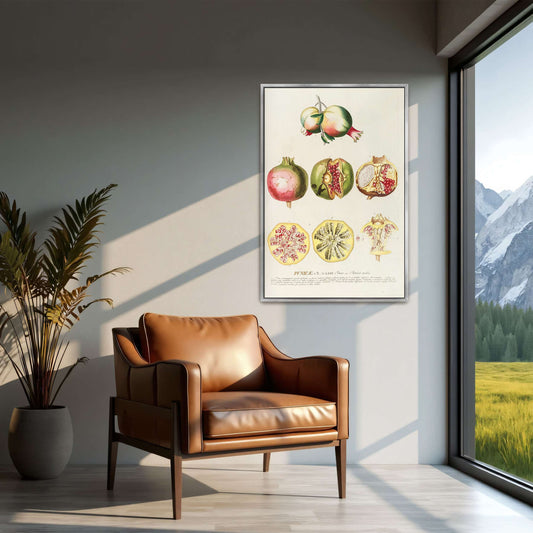
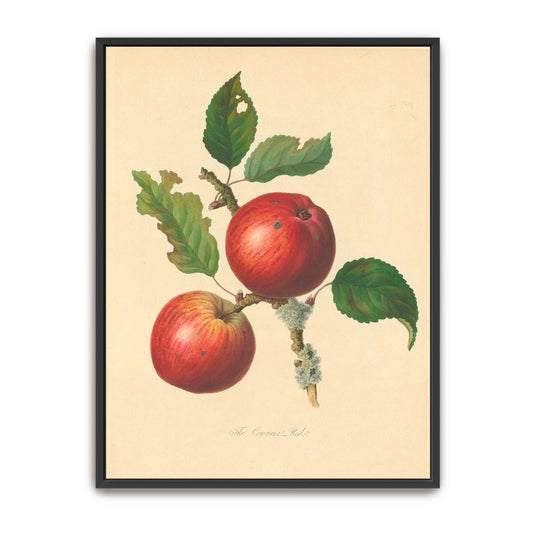
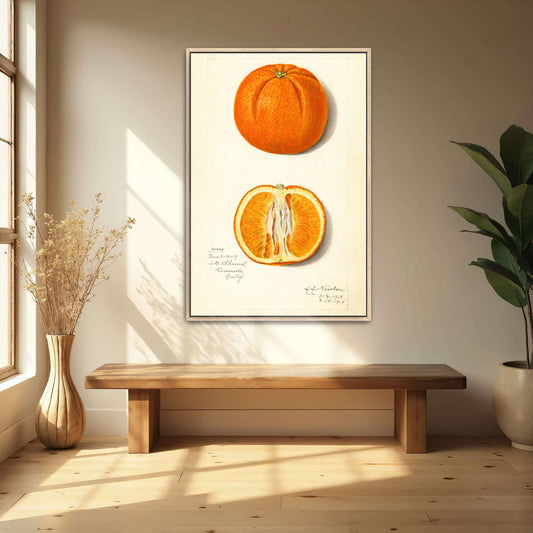
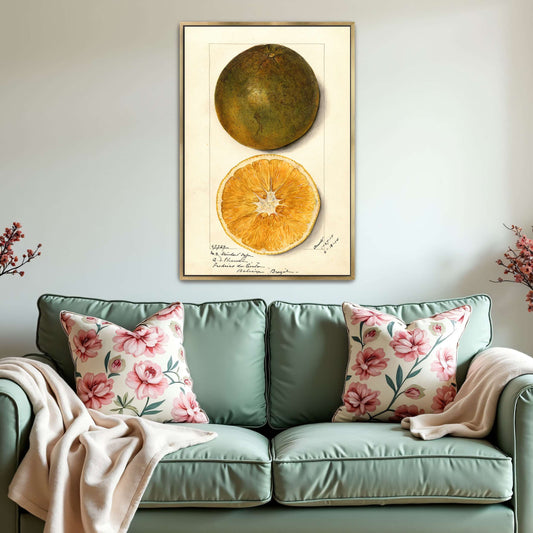
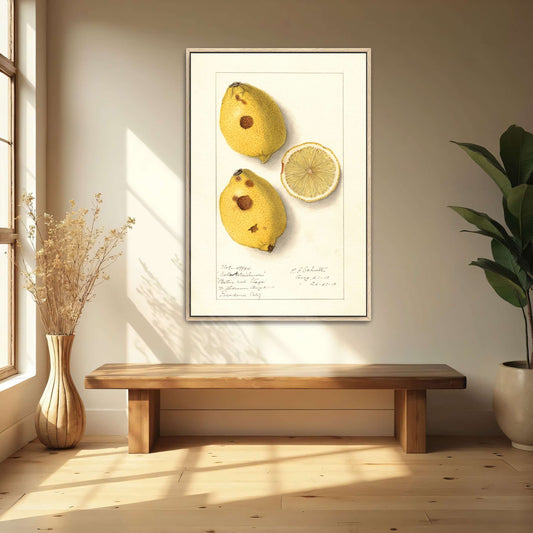
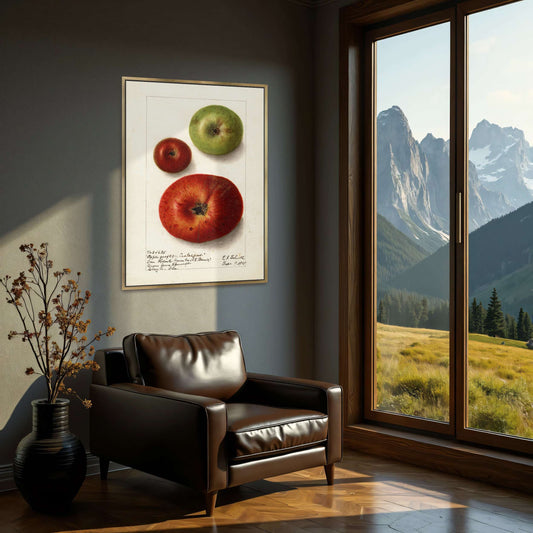
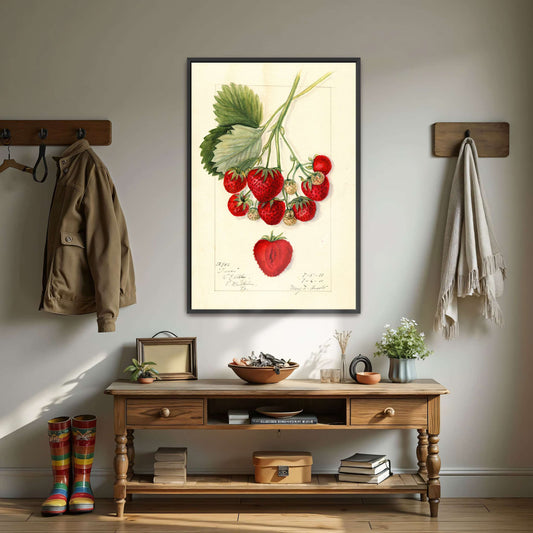
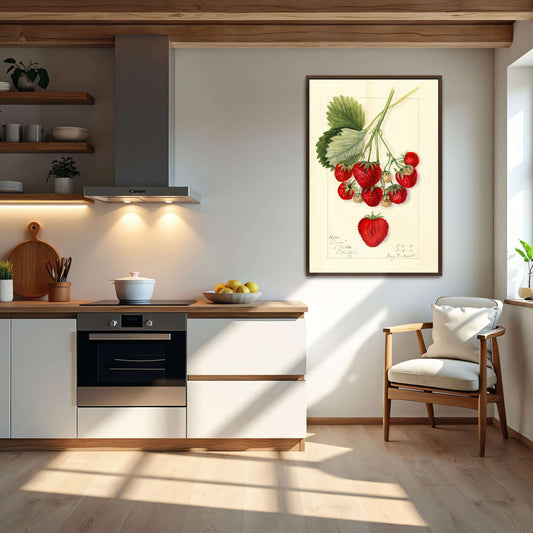
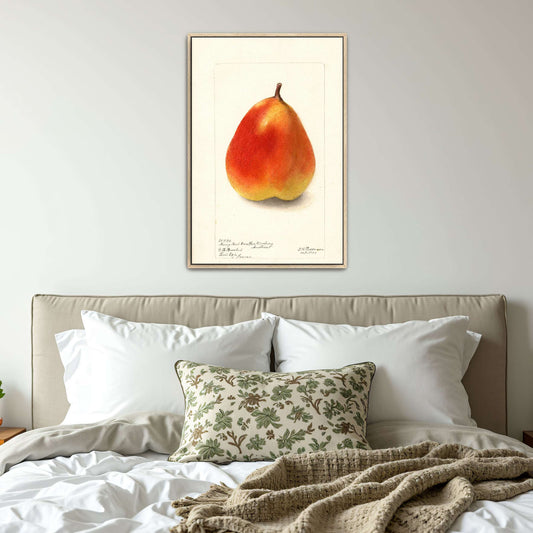
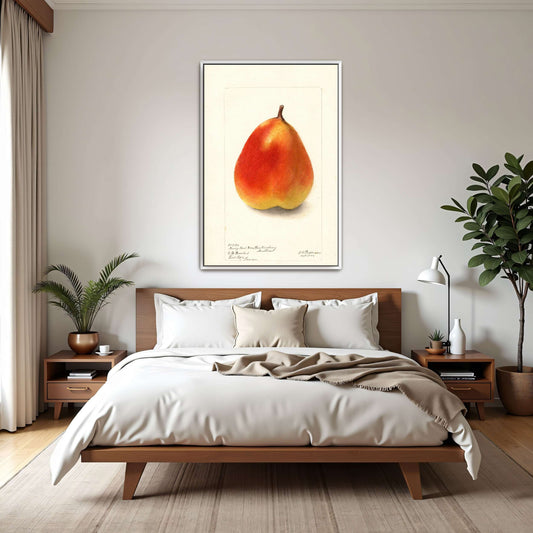
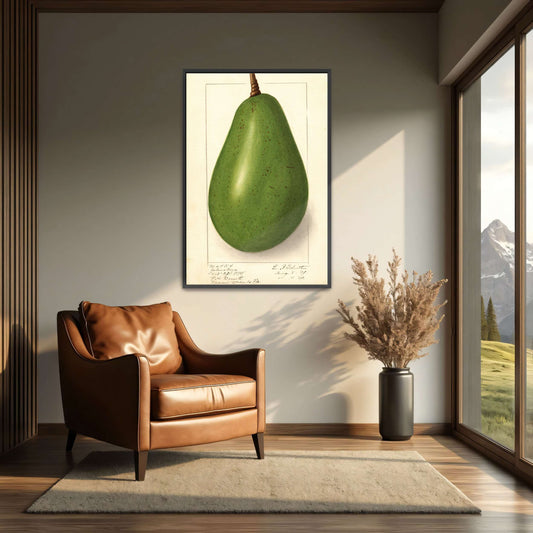
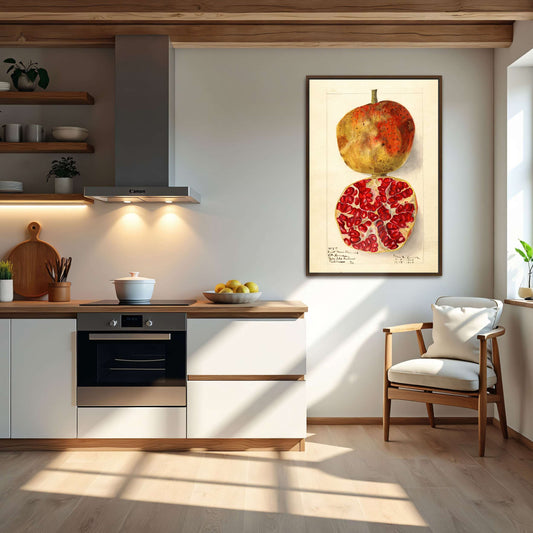
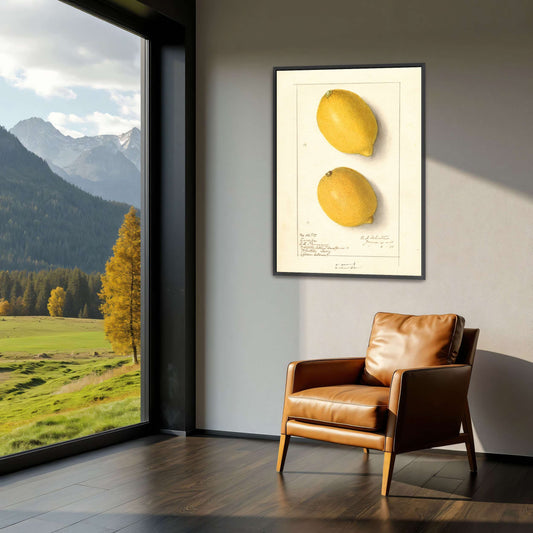
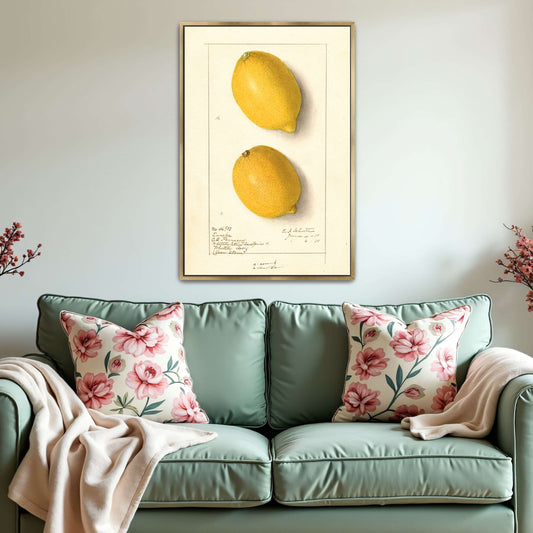
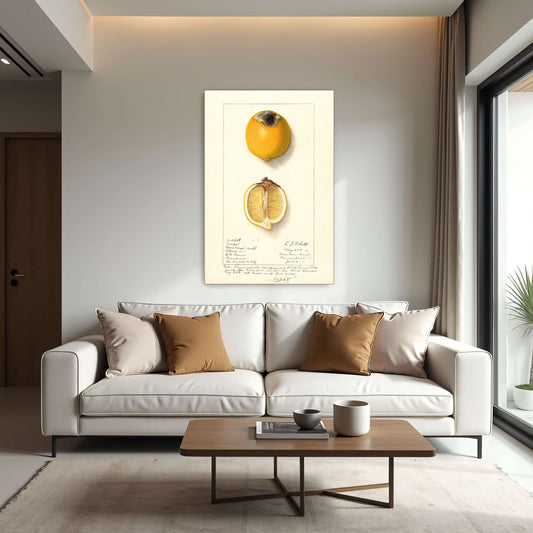
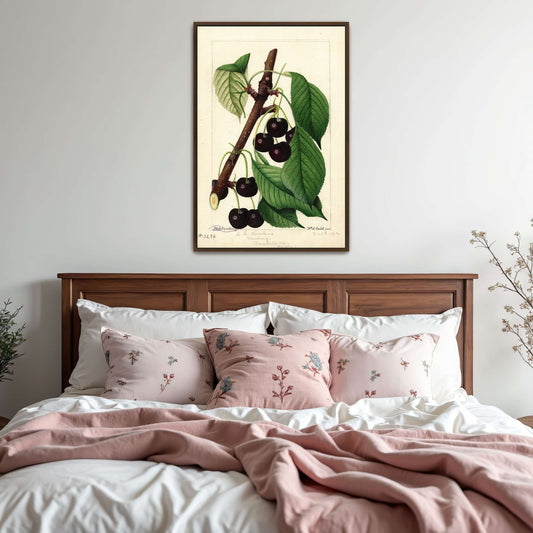
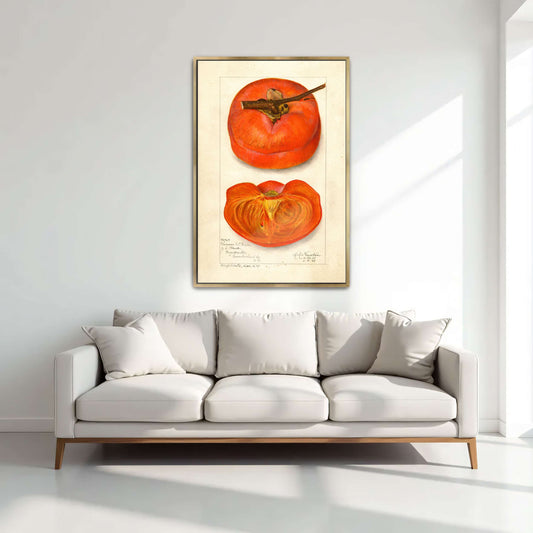
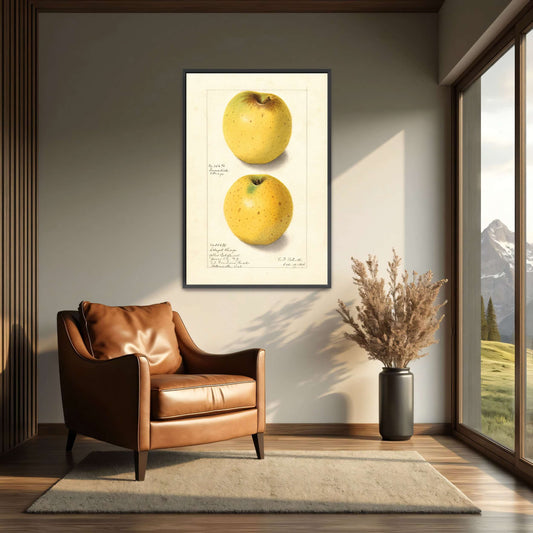
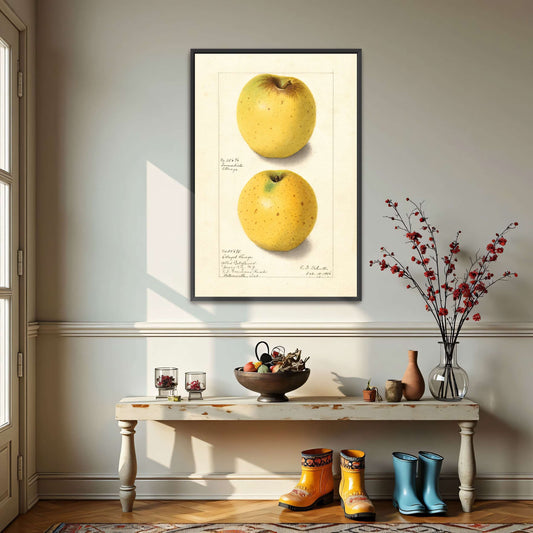
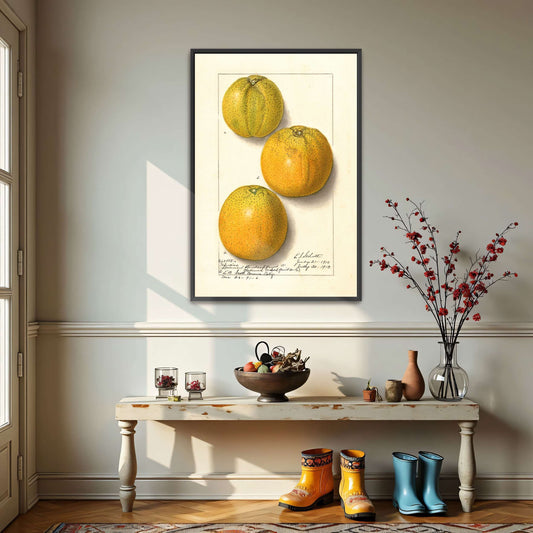
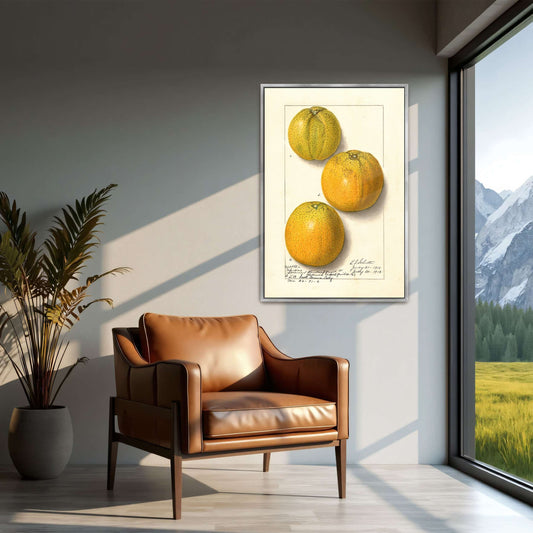
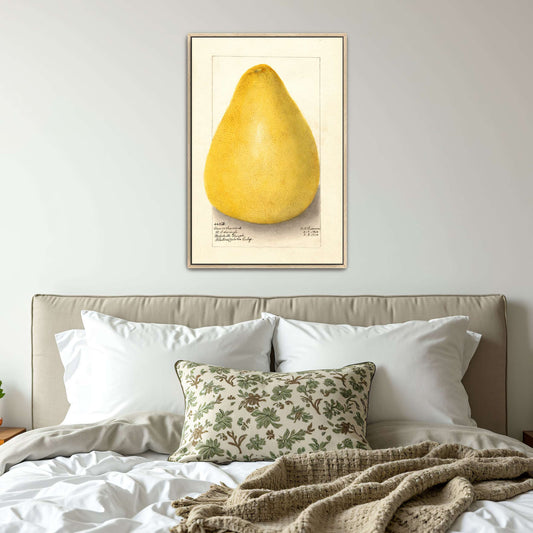
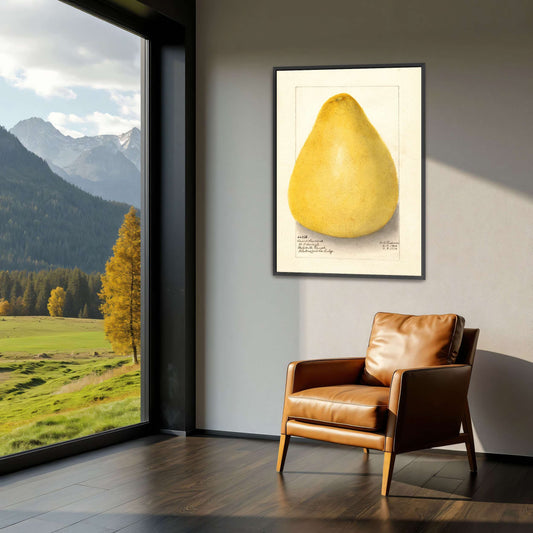
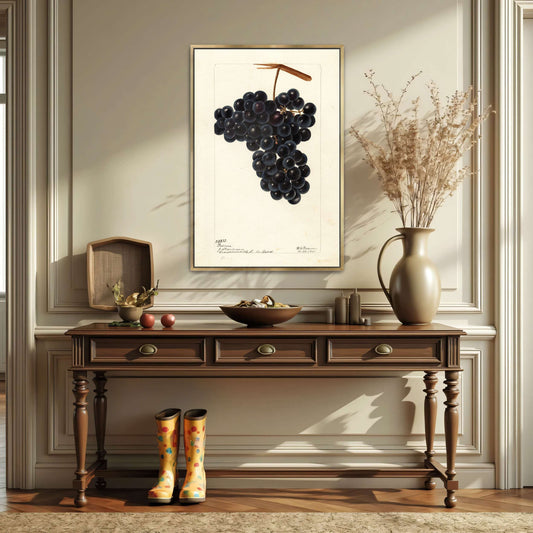
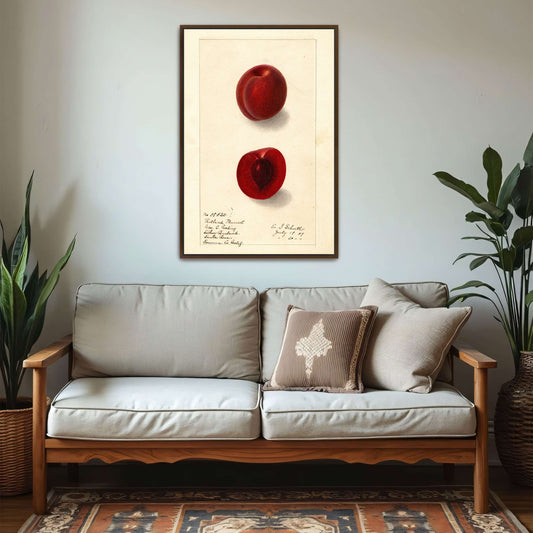
From 1886 to 1942, the US Department of Agriculture paid artists to paint new fruit and nut varieties. Color photography was not yet practical, so growers and scientists relied on these watercolors. Some 20 artists made more than 7,000 images. The collection is kept by the USDA National Agricultural Library, and the images are in the public domain. That makes this honest vintage kitchen wall art: real records from the time, not new designs made to look old.
The painters
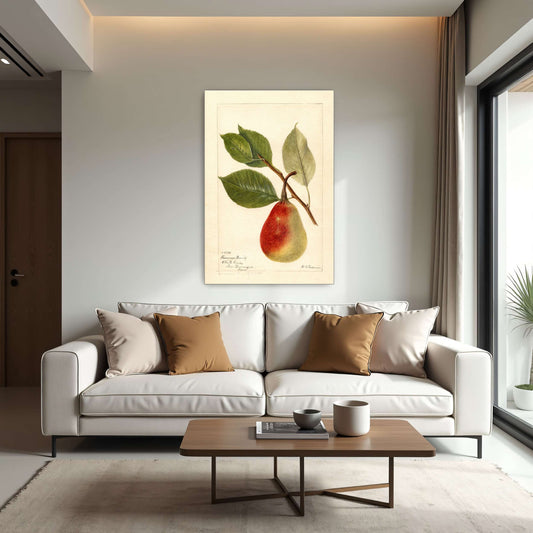
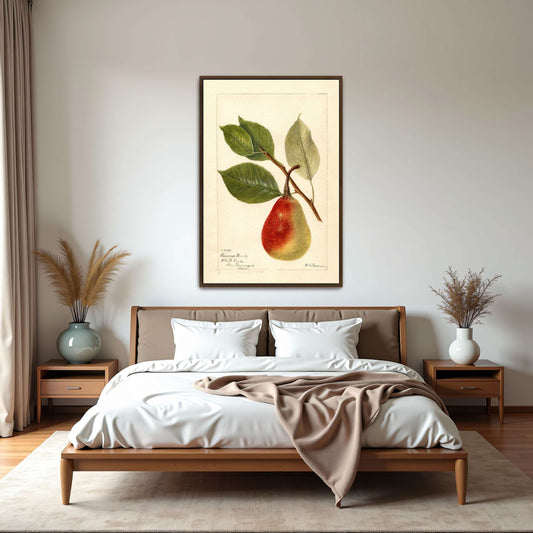
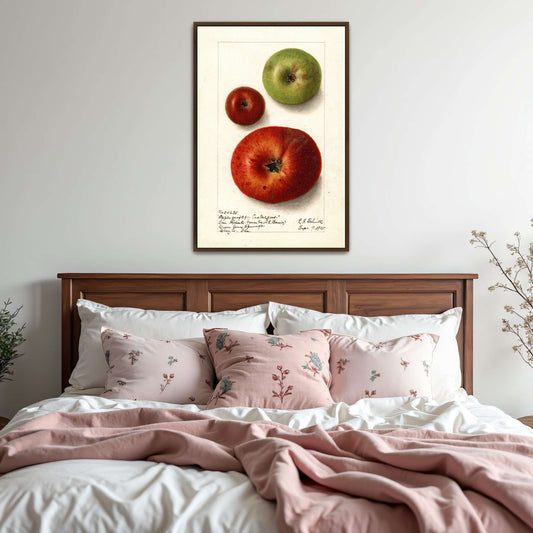
Deborah Griscom Passmore (1840–1911) was one of the most prolific painters in the collection. Her Ralls apple (1897) and Madam Treyve pear (1899) show her even, careful light. Amanda Almira Newton painted mangoes, grapes and citrus, such as her Marsh Seedless grapefruit (1912). Ellen Isham Schutt worked in the same years; see her Washington Navel orange (1910). Royal Charles Steadman painted the Tom Watson watermelon in 1916. Mary Daisy Arnold, Elsie E. Lower, Bertha Heiges and William Henry Prestele complete the set.
Citrus wall art and other fruit
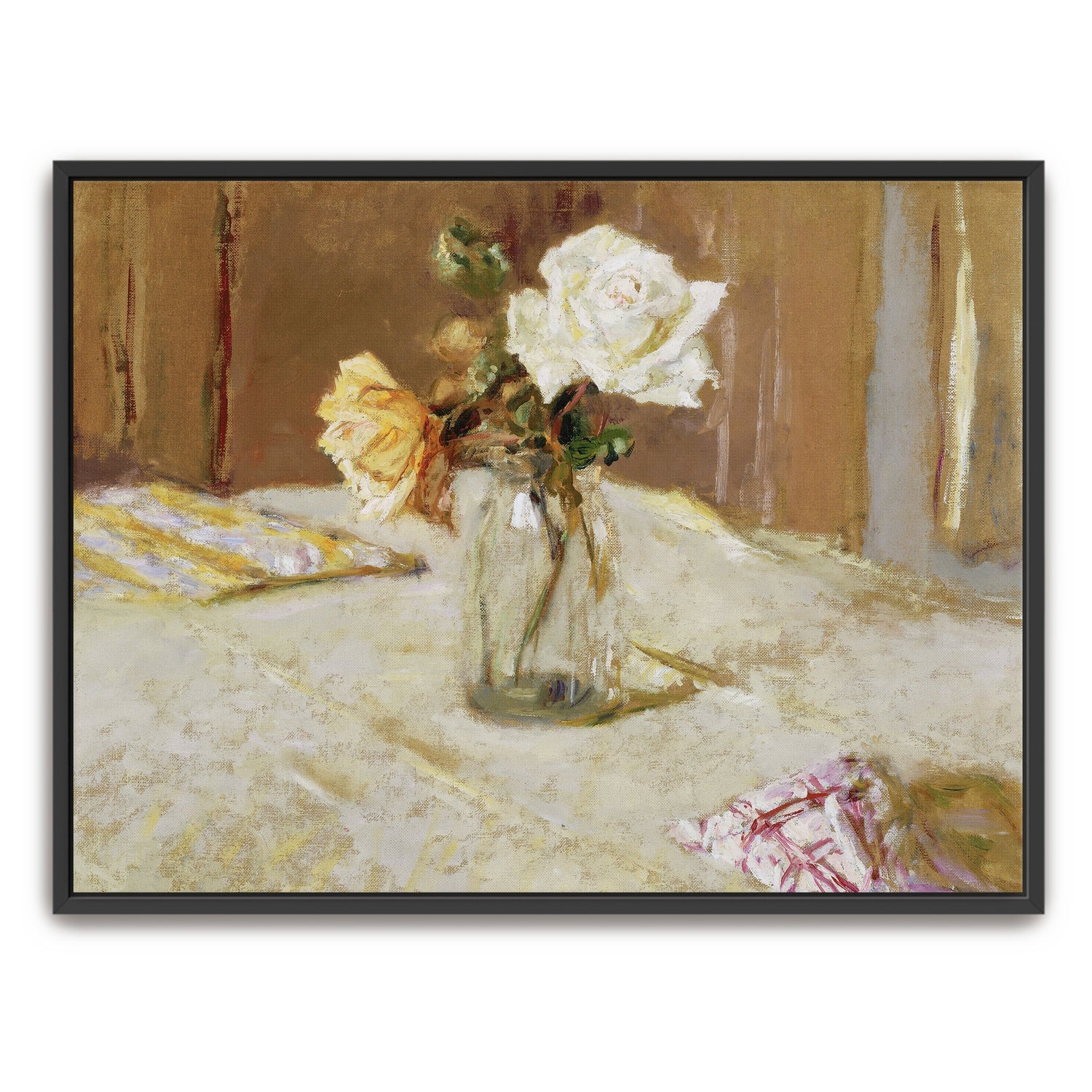
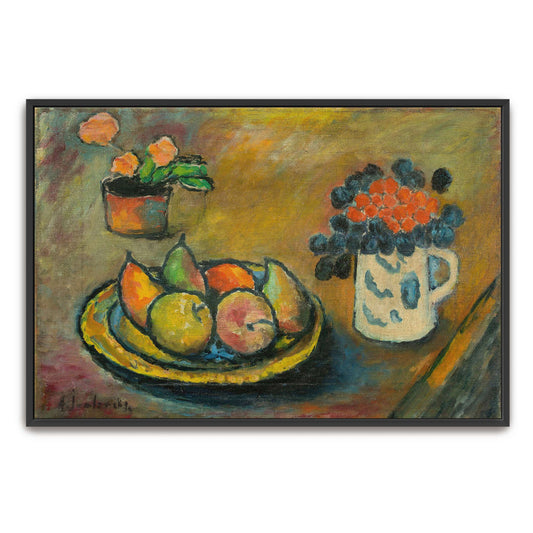
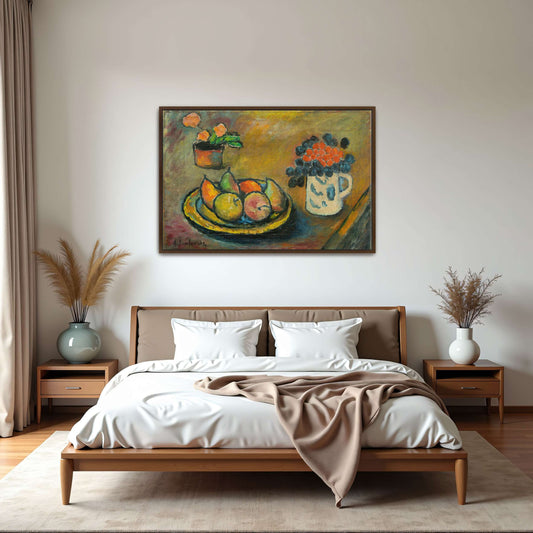
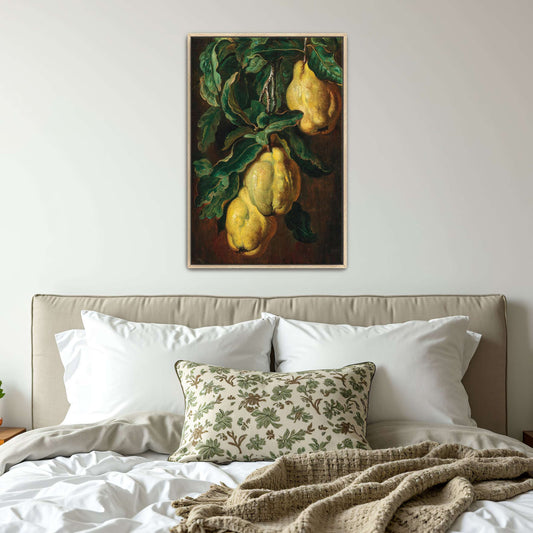
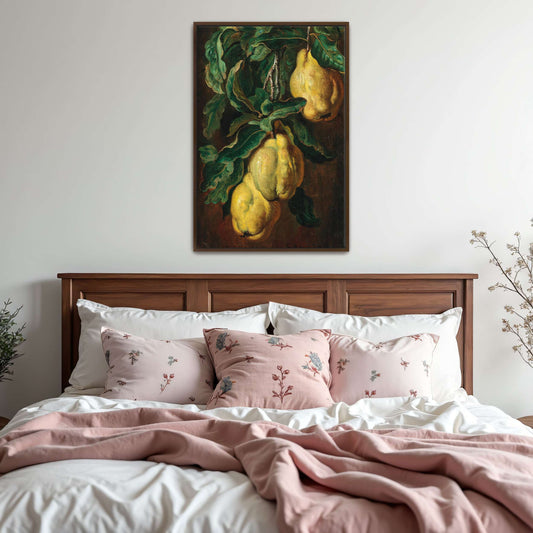
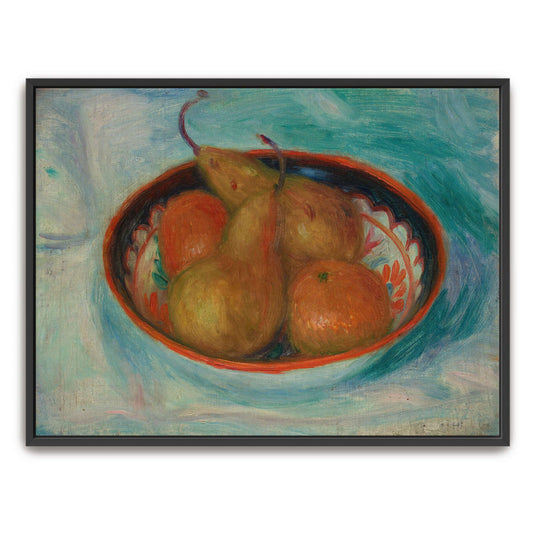
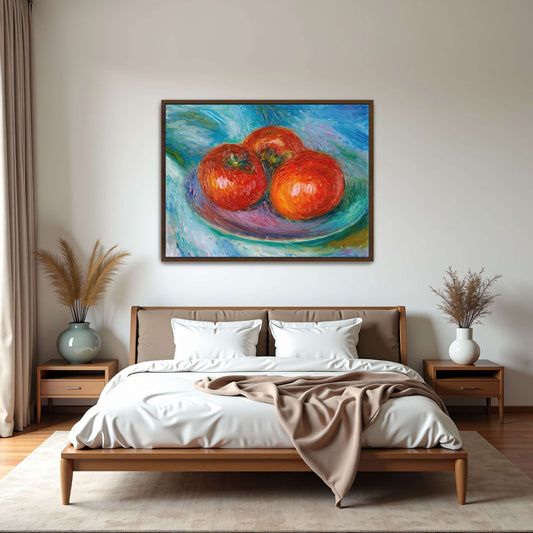
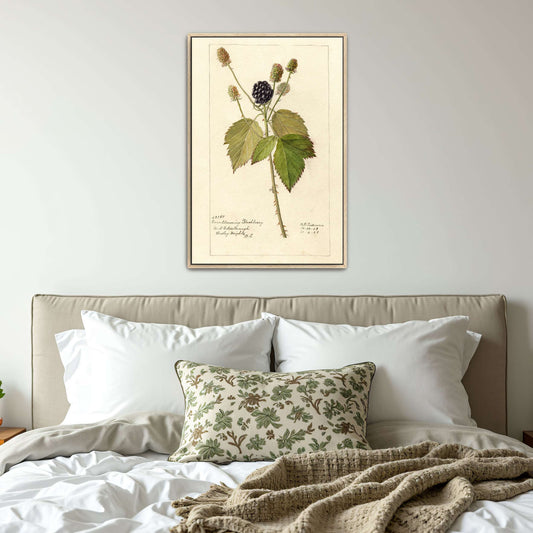
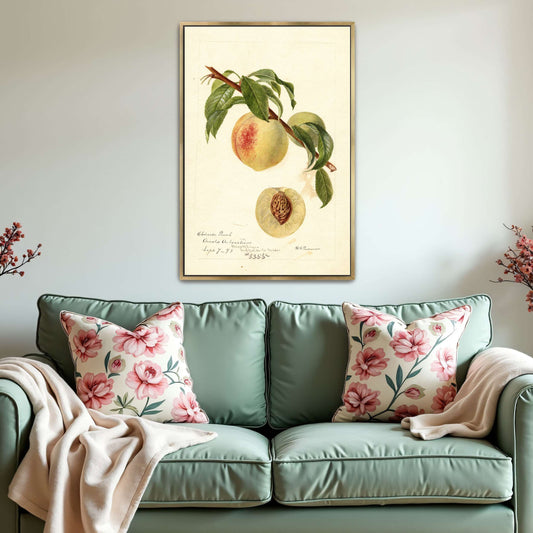
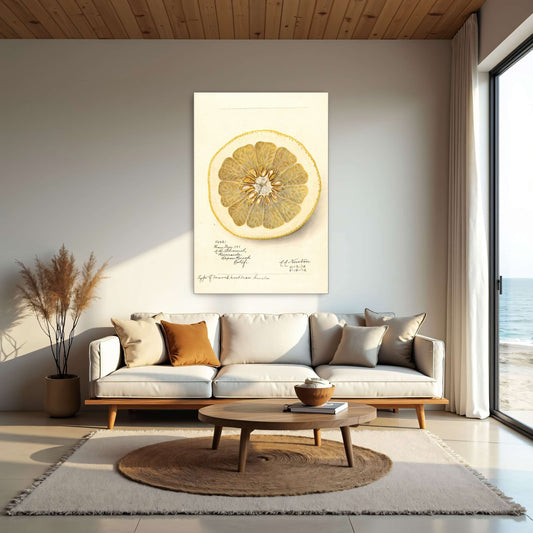
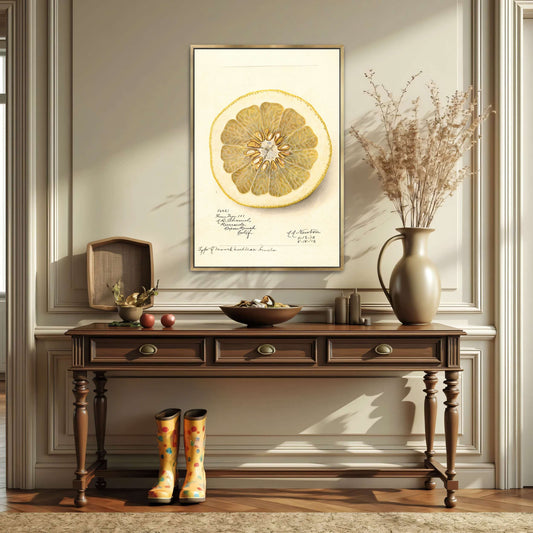
Citrus wall art is the largest group here, with more than 15 oranges, lemons, tangerines and grapefruits. Schutt's Eureka lemons (1910) and Lower's King citrus (1911) suit a white or pale yellow kitchen. For a warmer look, choose red apples, pears and peaches. Berries, cherries and grapes bring deep reds and purples. A few painted still lifes join the botanical plates, such as Quinces by Ludwig Adam Kunz.
Fruit prints in the kitchen
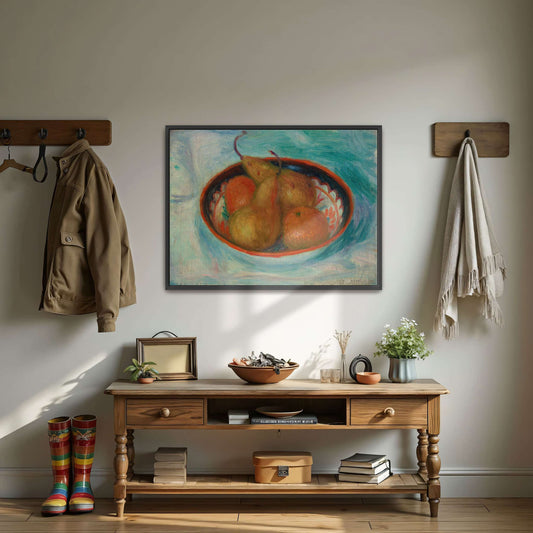
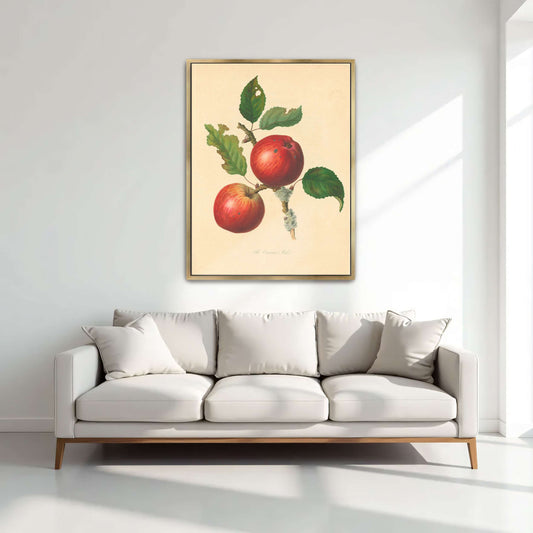
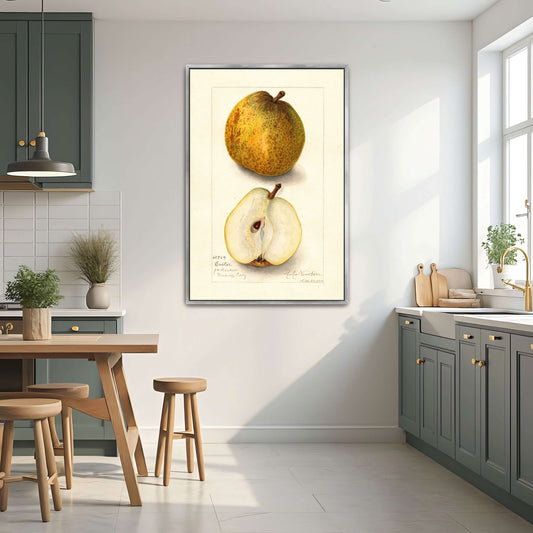
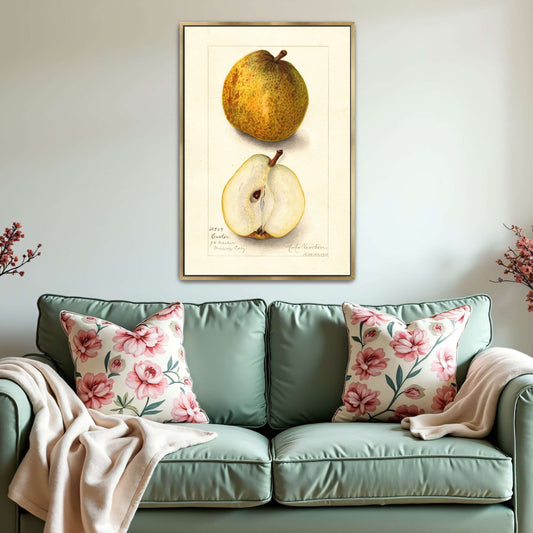
Kitchens have steam, heat and grease, so canvas is the practical choice near the stove. It has no glass, and a soft, dry cloth removes dust. Keep paper prints away from the cooktop and the sink. Fruit prints work well in groups. Hang three or four of one fruit, or mix varieties by one painter. Small sizes fit above a counter or between cabinets. A single large print suits a dining wall or a breakfast nook.
Sizes, formats and prices
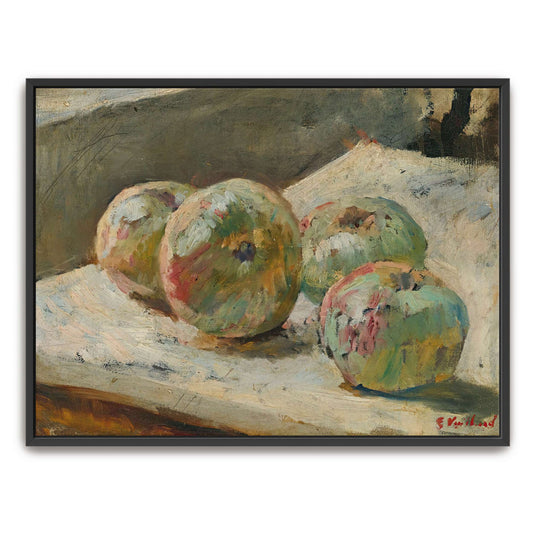
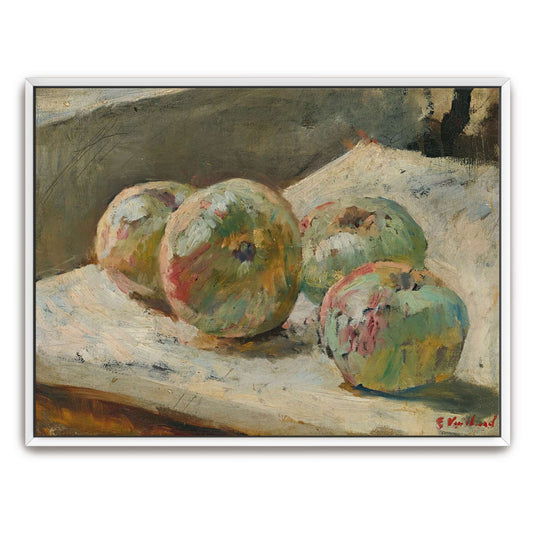
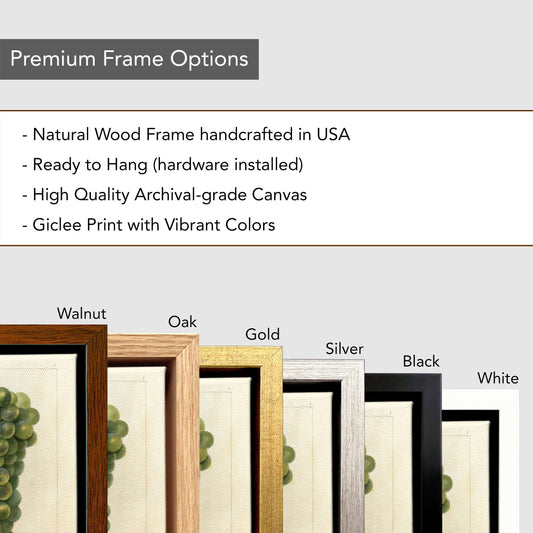
Sizes run from 8 × 12 to 28 × 42 inches, or from 11 × 14 to 30 × 40 inches. The range depends on the shape of the work. Fine art paper starts at $30, gallery-wrapped canvas at $50 and framed canvas at $90. Frames come in black, white, gold, silver, walnut and oak. The paper is 340gsm, 100% cotton rag, and ships rolled in a tube. The canvas is acid-free, with giclée printing rated for more than 100 years of fade resistance.
More vintage botanical art
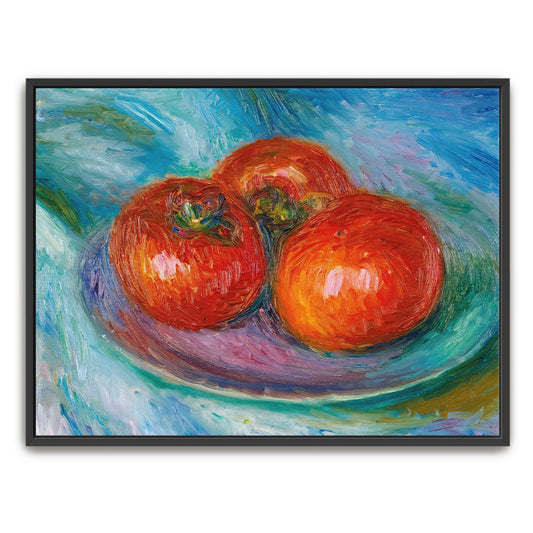
For flowers and plants from the same era, see Vintage Botanical Prints and Vintage Floral Prints. For painted fruit and flowers on a table, see Vintage Still Life Paintings. Impressionist Art Prints includes fruit still lifes by William James Glackens.