




























Jawlensky prints across his career
Alexej von Jawlensky (1864–1941) was born in Russia and served as an army officer before he turned to painting. In 1896 he moved to Munich with the painter Marianne von Werefkin. There he met Wassily Kandinsky and Gabriele Münter. In 1909 they helped found the New Artists' Association of Munich. These Jawlensky prints follow him from those years to the end of his life.
Portraits and color
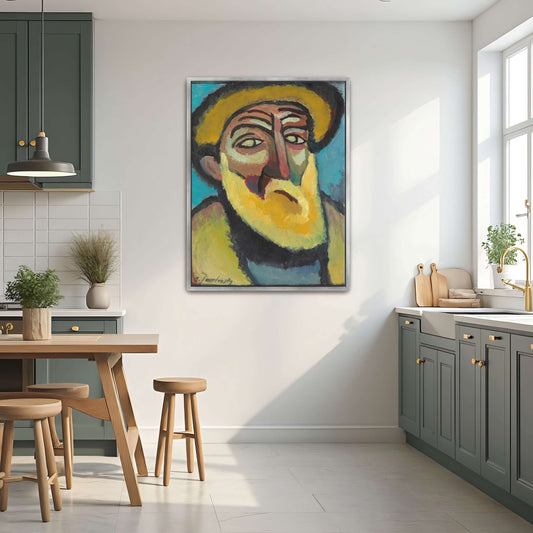
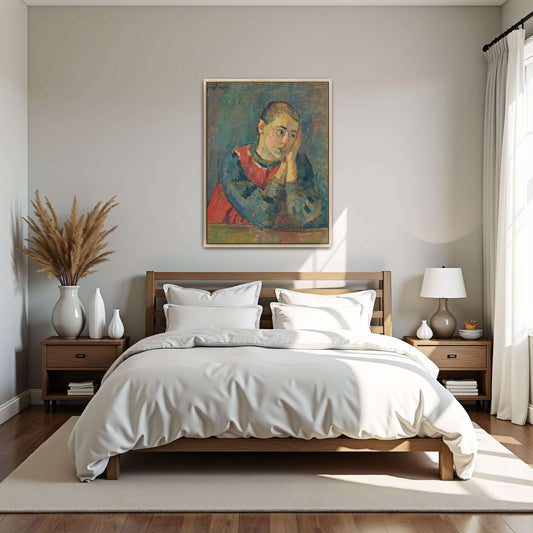
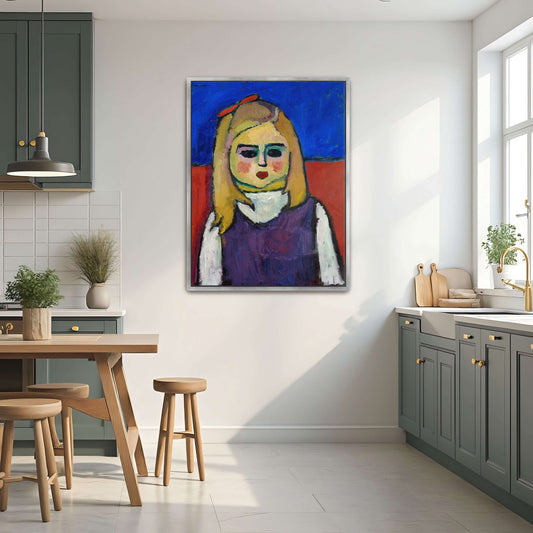
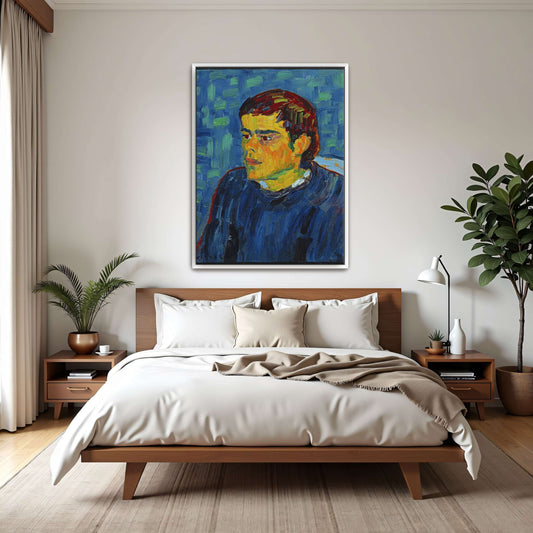
Jawlensky's early faces use strong, unmixed color and heavy outlines. See Portrait of Frau Gindus (1901) and his Self-Portrait (1911). Spanish Infanta (1913) sets a woman in blue among flowers. His portraits of children from 1906 to 1911 are softer and more direct.
Mystical heads, abstract heads and meditations
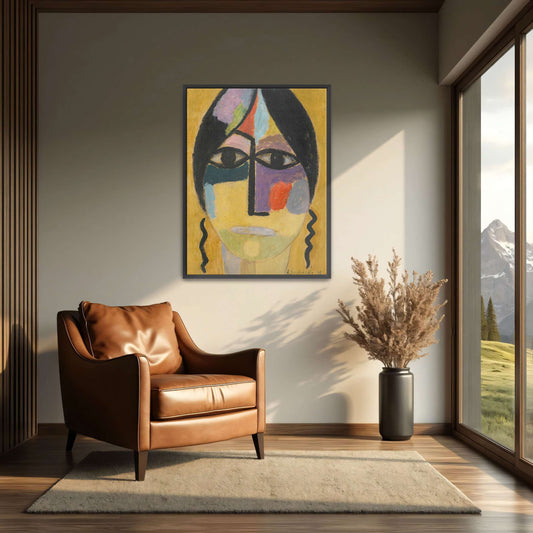
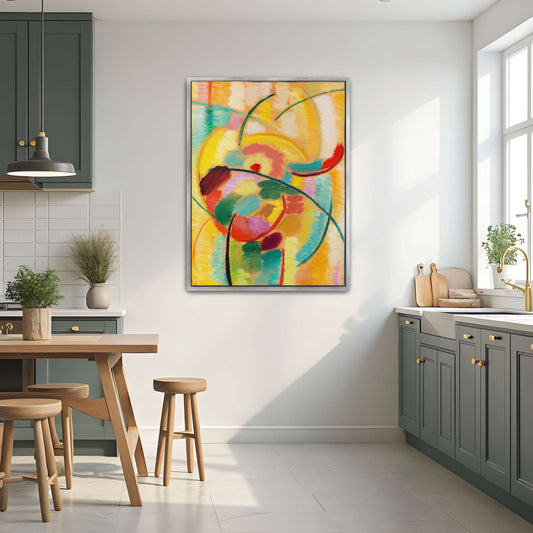
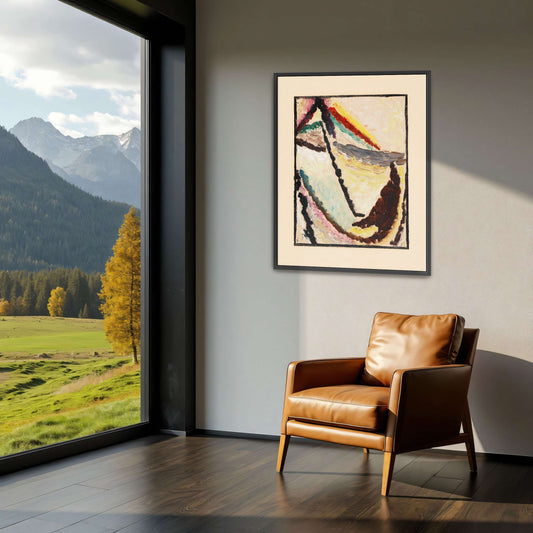
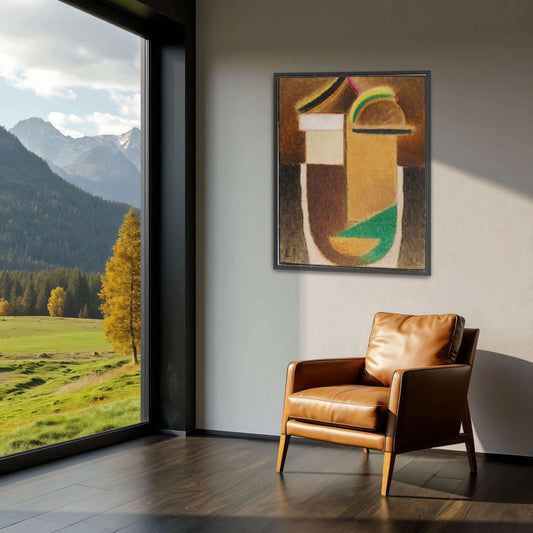
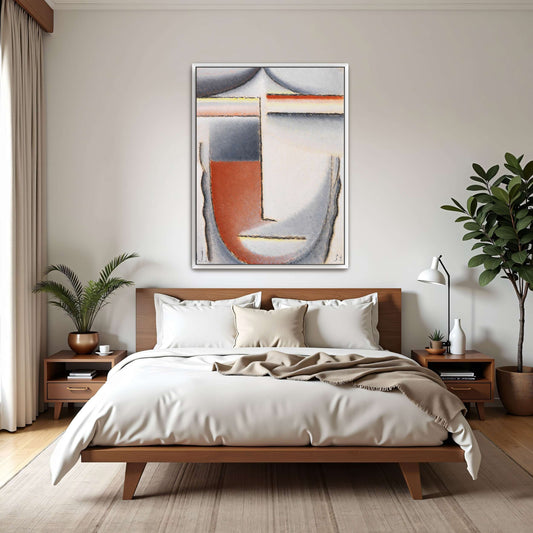
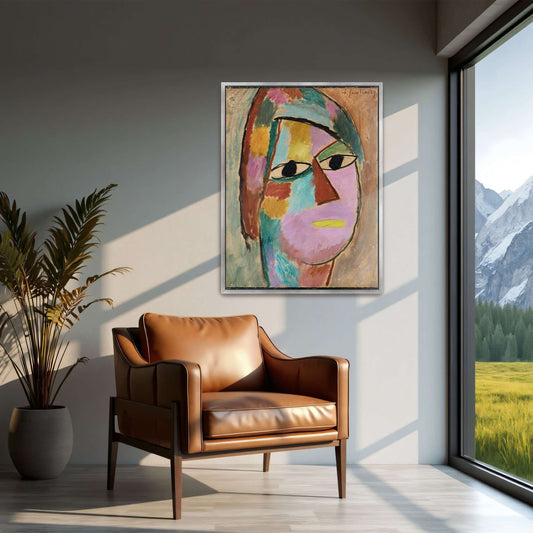
In 1914, at the start of World War I, he had to leave Germany for Switzerland. There he began to paint the same face again and again, each time simpler. The Mystical Heads came first, such as Raven’s Wing IV (1918). The Abstract Heads of the 1920s and 1930s reduce the face to an arch, a nose line and closed eyes; see Abstract Head: Blue-Red (1933). In his last years, arthritis made painting hard. The small, dark Meditations, such as Meditation (1937), are the result.
Landscapes and still lifes
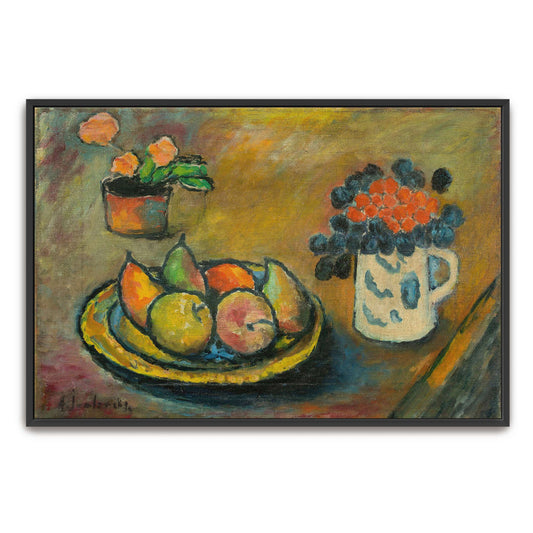
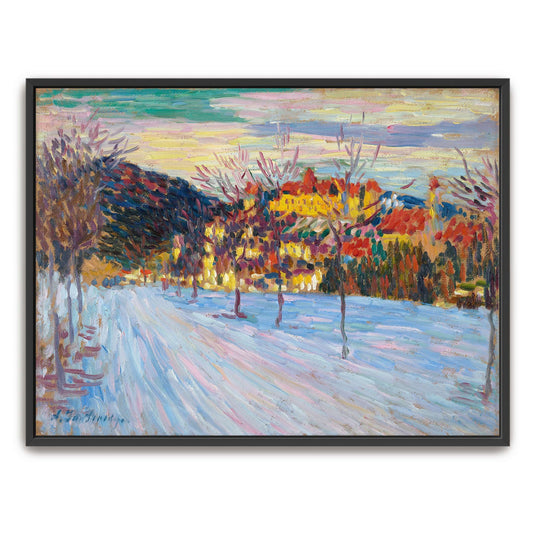
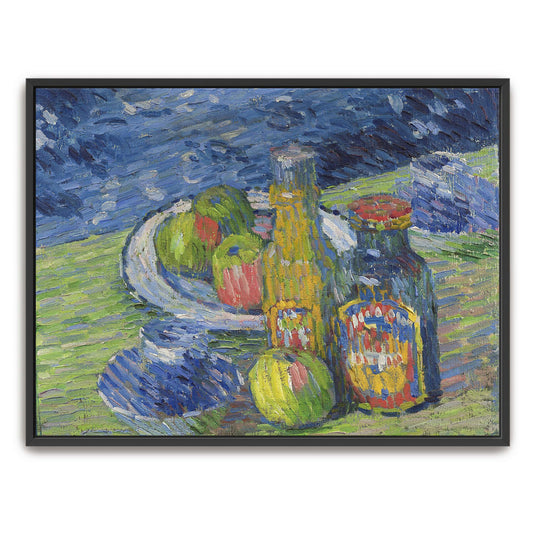
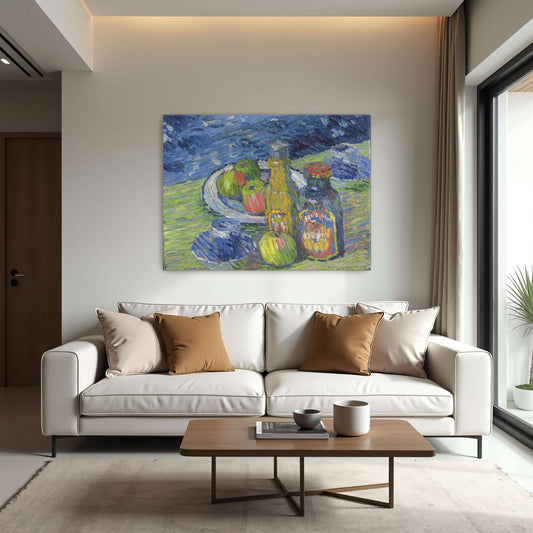
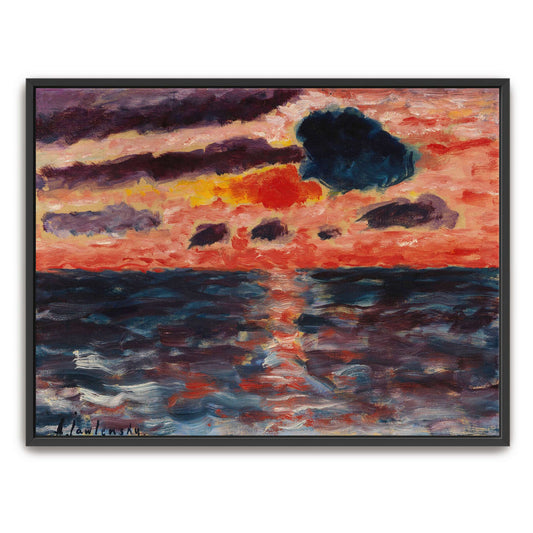
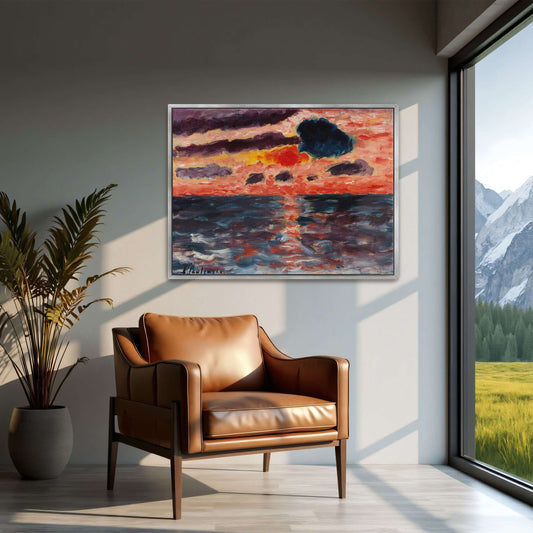
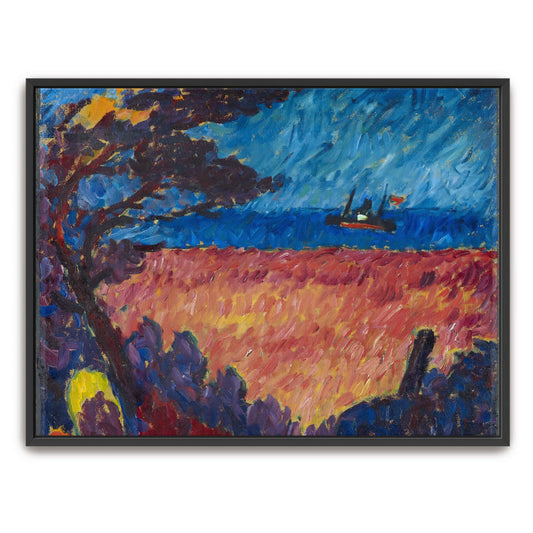
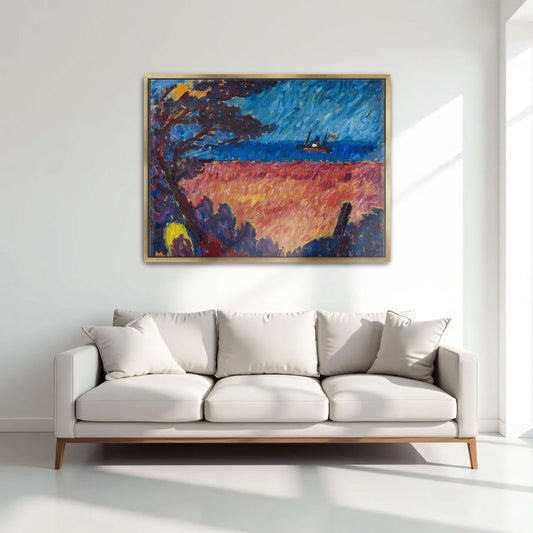
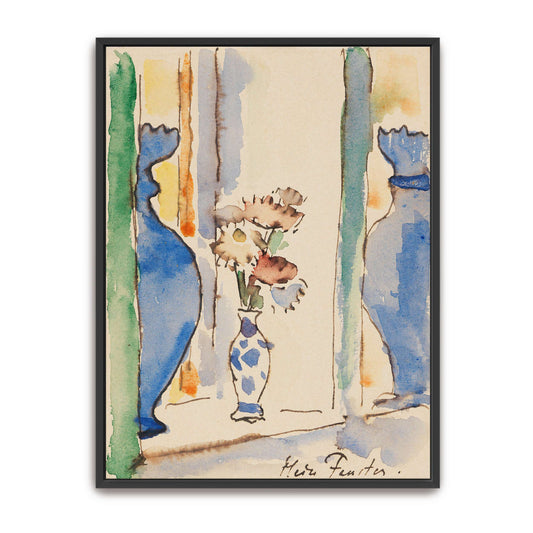
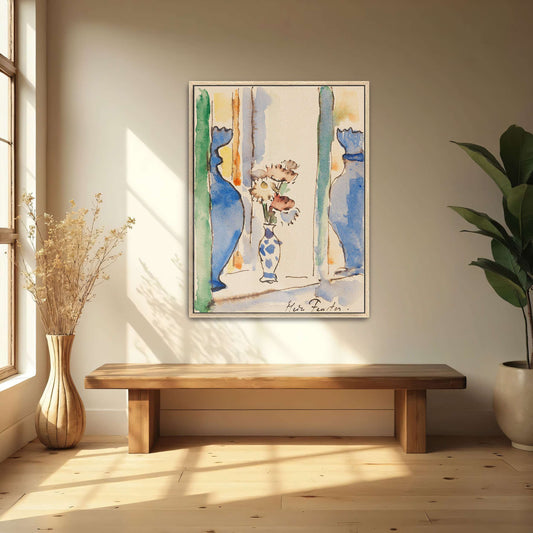
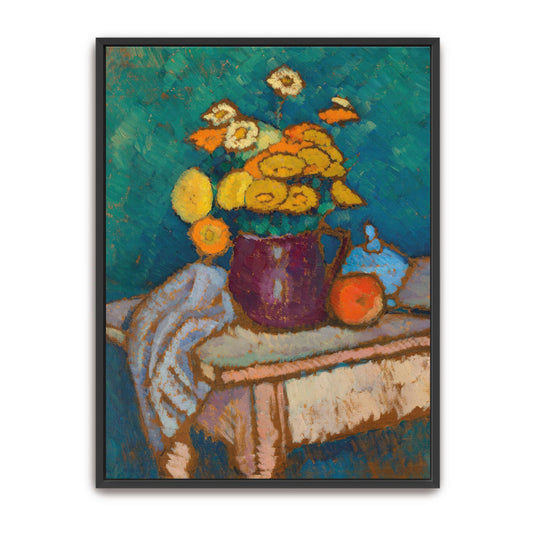
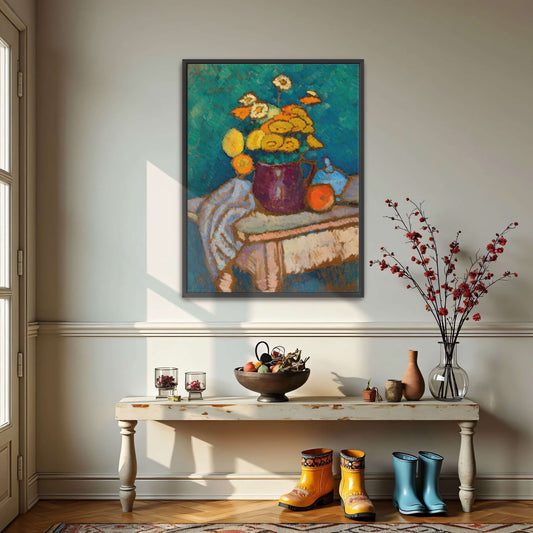
He painted landscapes all his life, from the snowy town of Füssen (1905) to Sunset, Borkum (1928) on the North Sea. His still lifes of flowers and fruit, from the 1900s to the 1930s, share the same bold color. He settled in Wiesbaden in 1921 and died there in 1941. In 1924 he formed the Blue Four with Kandinsky, Paul Klee and Lyonel Feininger.
Choosing a Jawlensky print
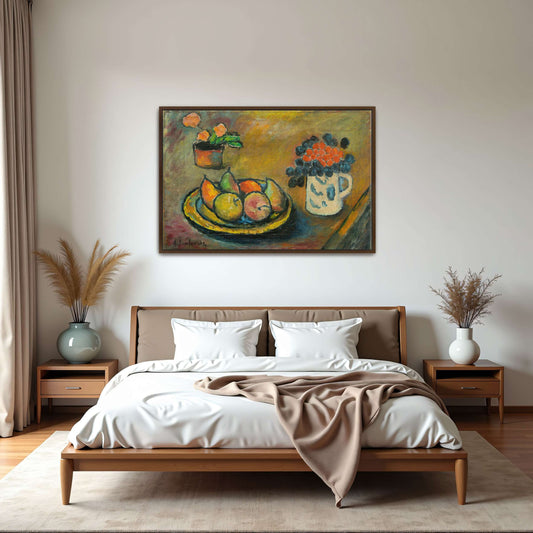
The heads work well in a row of two or three, in matching frames. The Meditations were painted small and look right at modest sizes. The early portraits and landscapes suit a larger wall. Black frames sharpen the abstract heads, while walnut warms the still lifes.
Sizes and formats
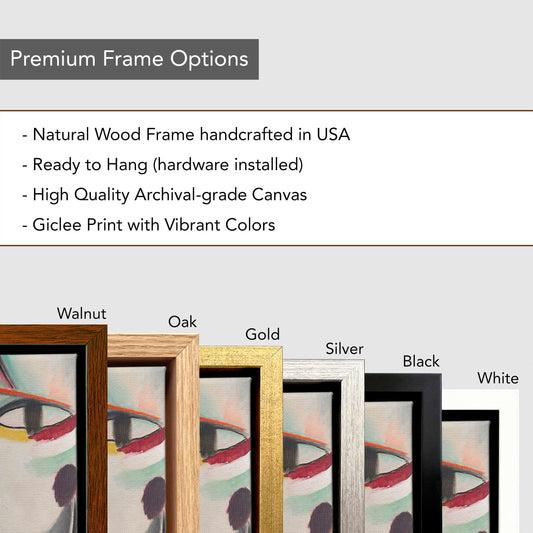
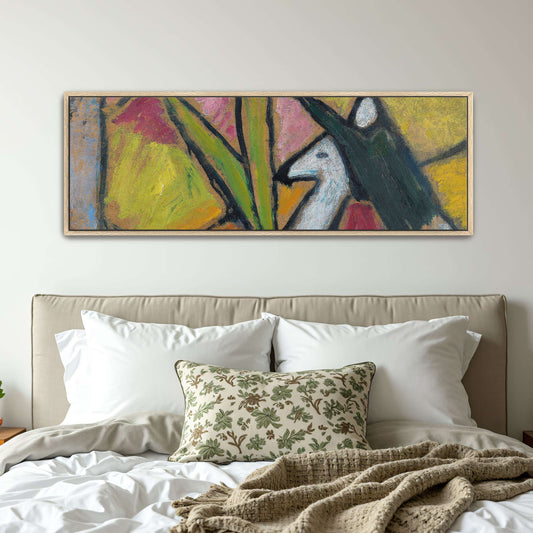
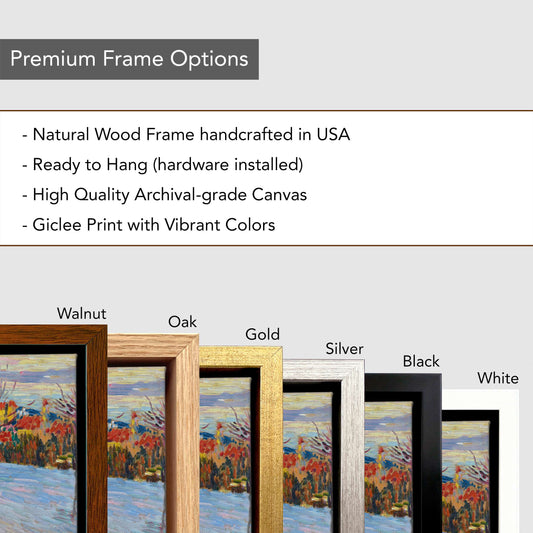
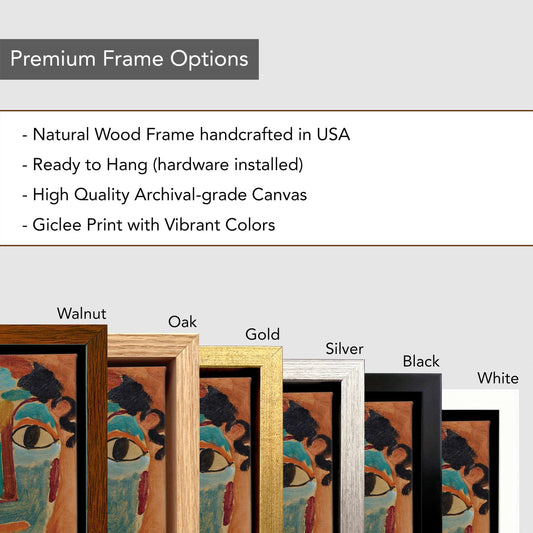
Sizes run from 8 × 12 to 28 × 42 inches, or from 11 × 14 to 30 × 40 inches. The range depends on the shape of the work. Each product page shows the current price for every size and format. Frames come in black, white, gold, silver, walnut and oak. The paper is 340gsm, 100% cotton rag, and ships rolled in a tube. The canvas is acid-free, with giclée printing rated for more than 100 years of fade resistance. Some works also come as 3:1 panoramic prints, from 8 × 24 to 20 × 60 inches.
Related collections
See his Munich friend in Wassily Kandinsky Prints, and his Blue Four partner in Paul Klee Prints. For abstract art of the same years, see Bauhaus & Early Abstract Art Prints. More faces are in Vintage Portrait Paintings.