
















Vintage still life painting through three centuries
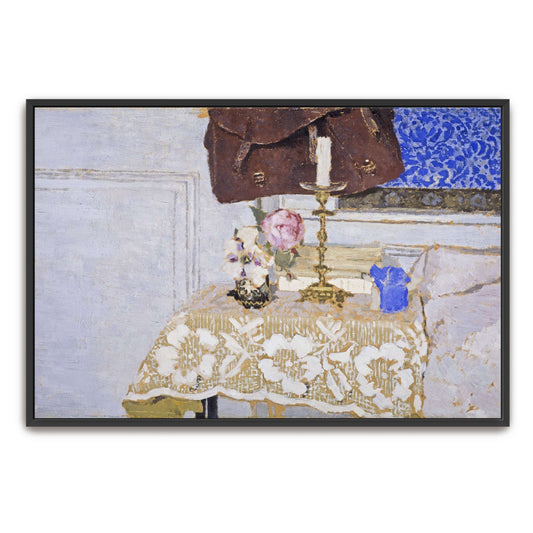
A still life shows objects that do not move: flowers, fruit, food, books or dishes. The painter controls the arrangement and the light. That makes the genre a place to test color and form. This collection covers court flower painting of the late 1600s, French interiors of the 1890s and bold modern bouquets of the 1930s.
Flowers in a vase
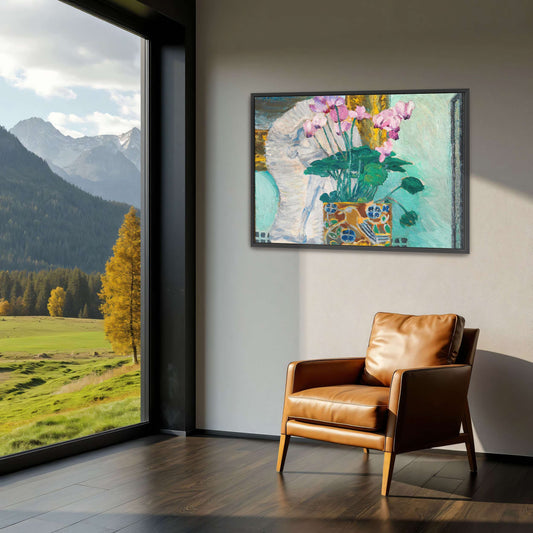
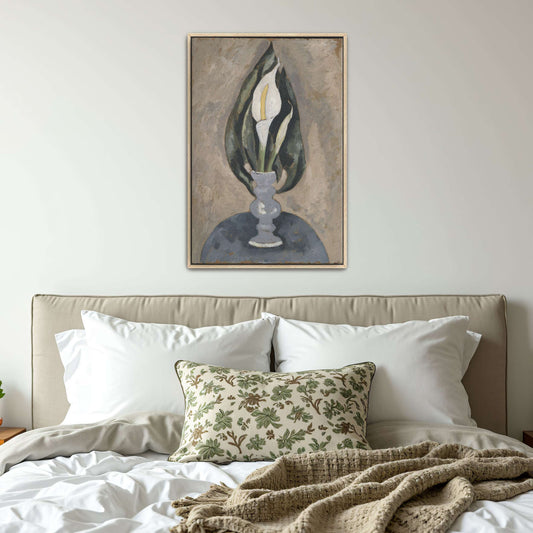
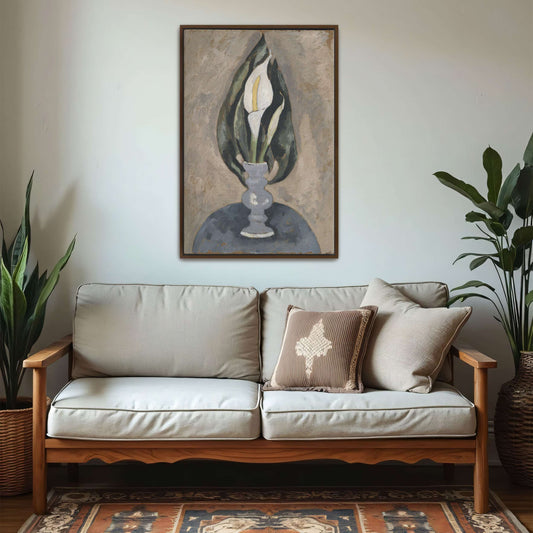
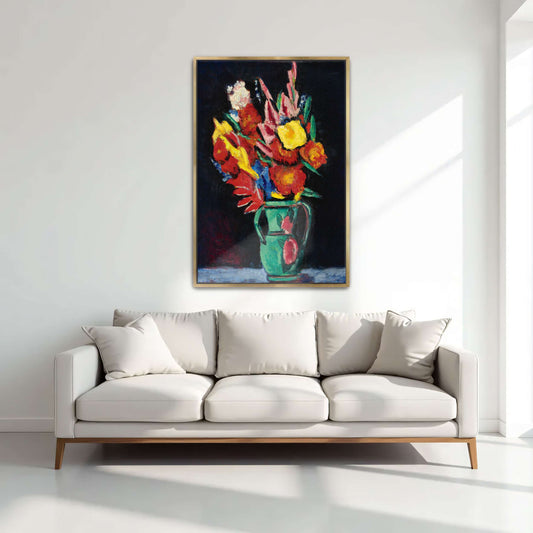
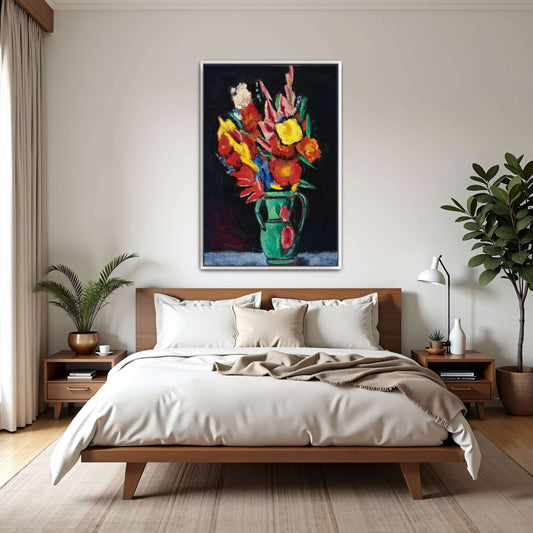
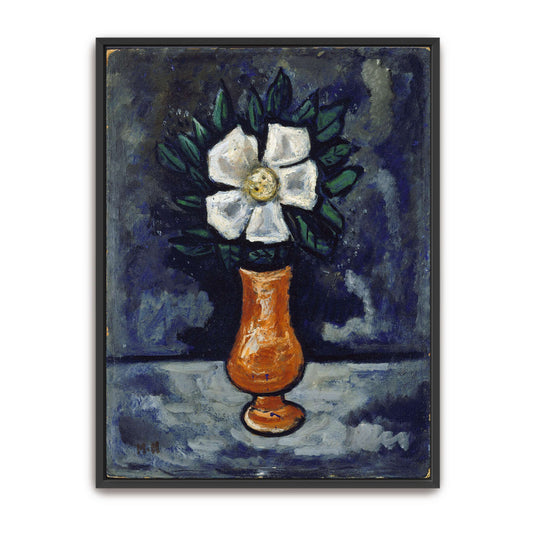
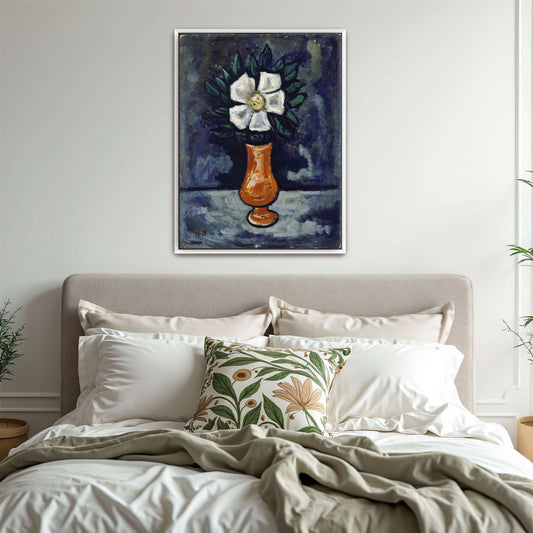
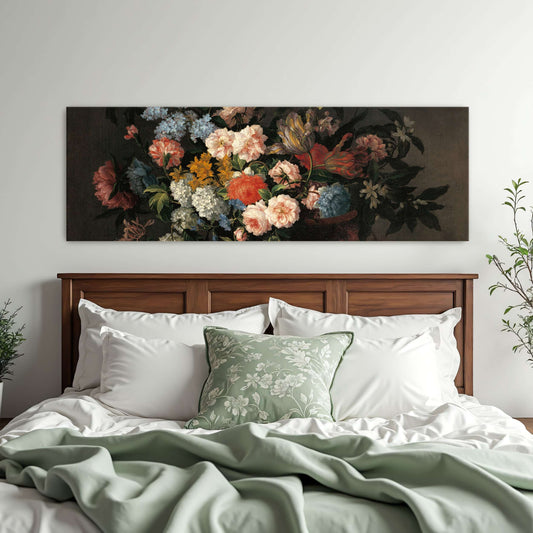
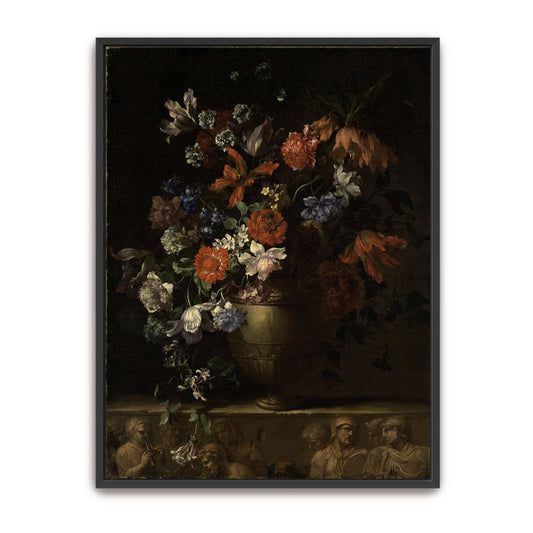
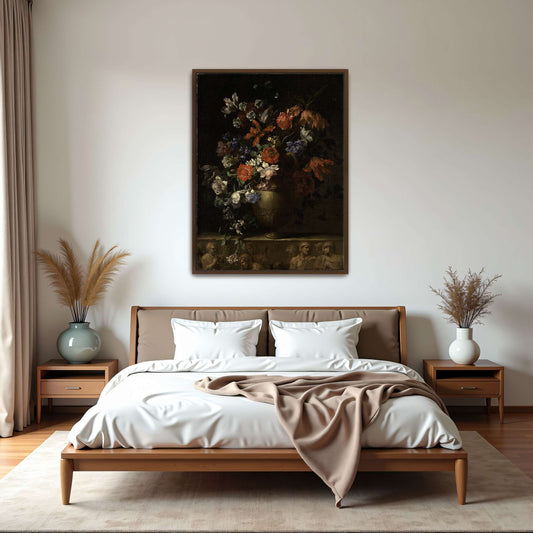
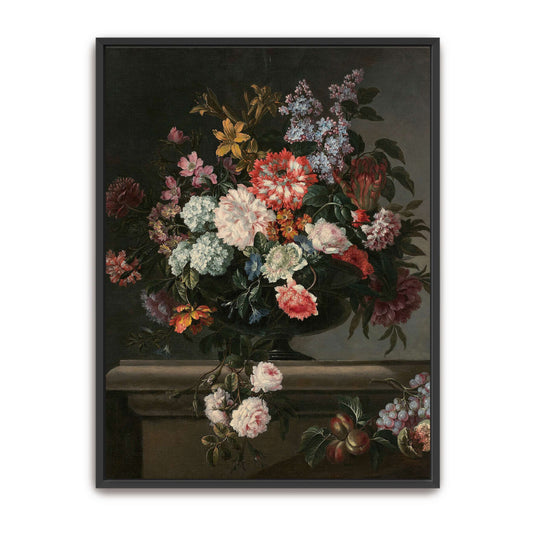
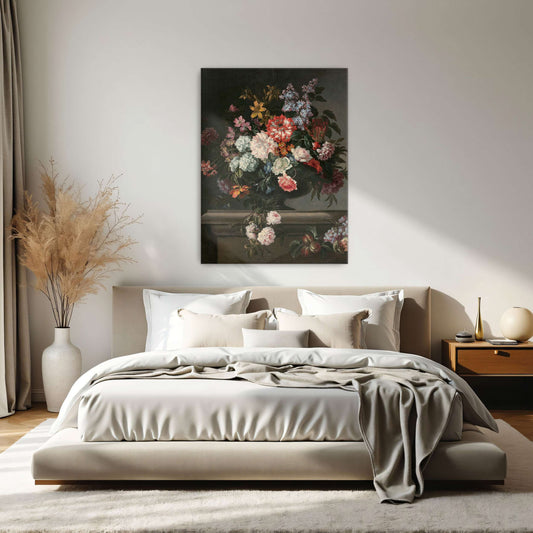
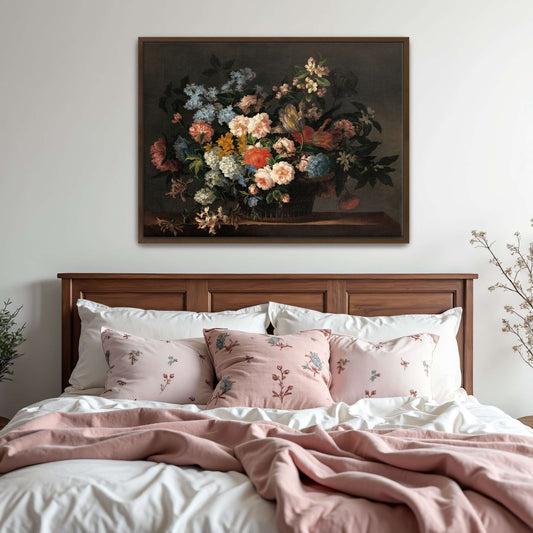
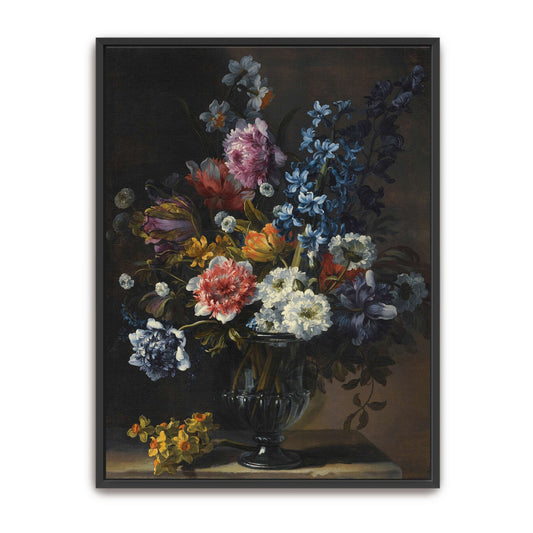
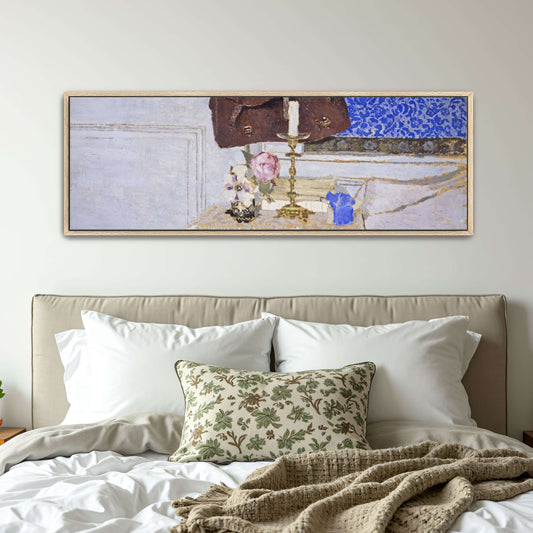
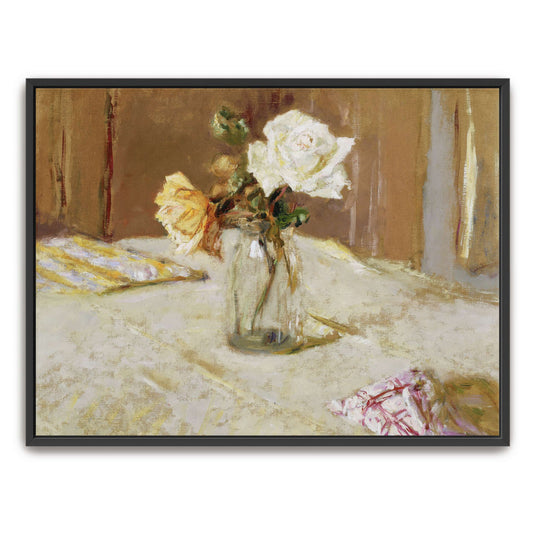
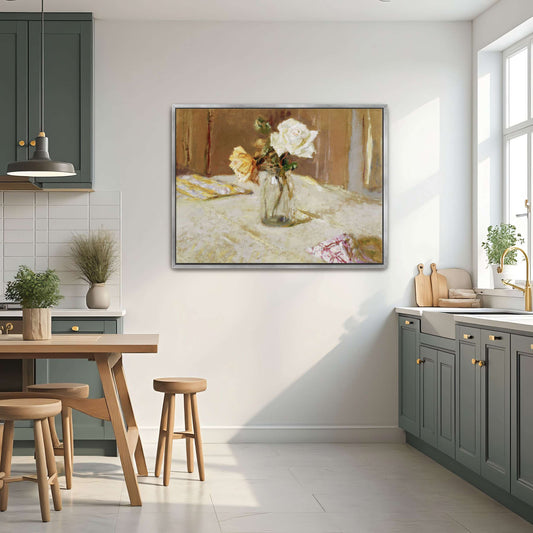
Jean-Baptiste Monnoyer (1636–1699) painted flowers for the court of Louis XIV. His Flowers in a Sculpted Urn (1696) sets a heaped urn of flowers on a stone terrace. In Paris, Édouard Vuillard painted flowers in his own rooms, as in Anemones on a Small Table (1905 to 1907). Alexej von Jawlensky's Large Still Life: Bright Bouquet (1936) uses strong outlines and deep color. Marsden Hartley's White Calla Lily in Vase is spare and modern.
Fruit, fish and the table
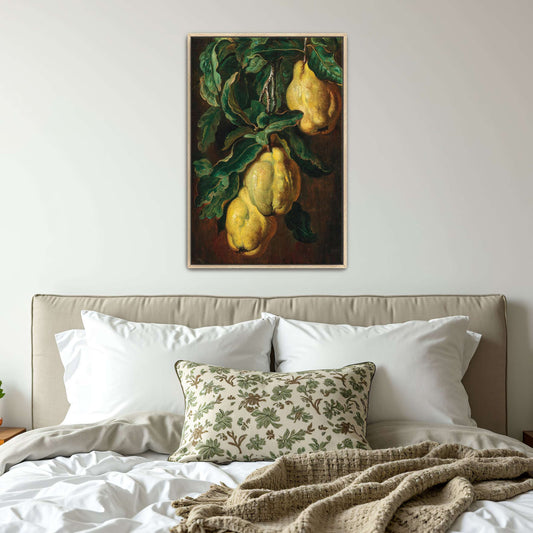
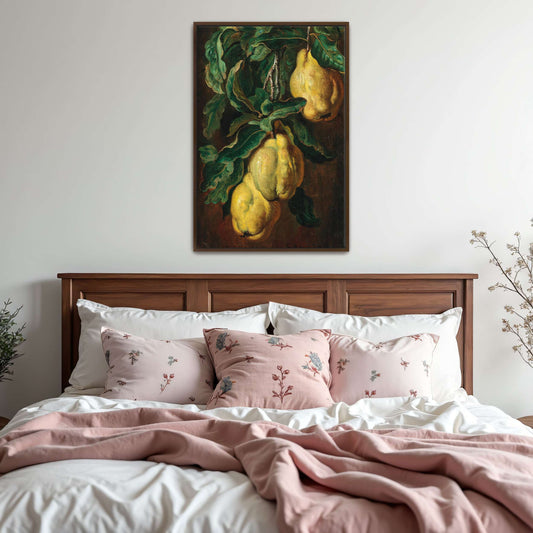
Food still lifes suit a kitchen or a dining room. William James Glackens painted Pears and Oranges in a Bowl around 1915 in warm, loose strokes. Jawlensky's The Laid Table (1904 to 1905) pairs blue flowers with yellow fruit. Vuillard's early The Smoked Herring (1888) is dark and plain. Hartley's Cactus Still Life (1919) sets a potted cactus against a mountain view. Ludwig Adam Kunz's Quinces and Hendrik Reekers's fruit piece of 1835 add older fruit subjects.
Where still life wall art works
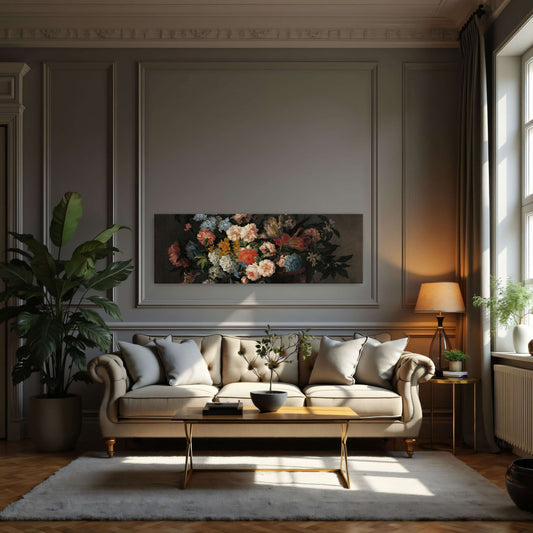
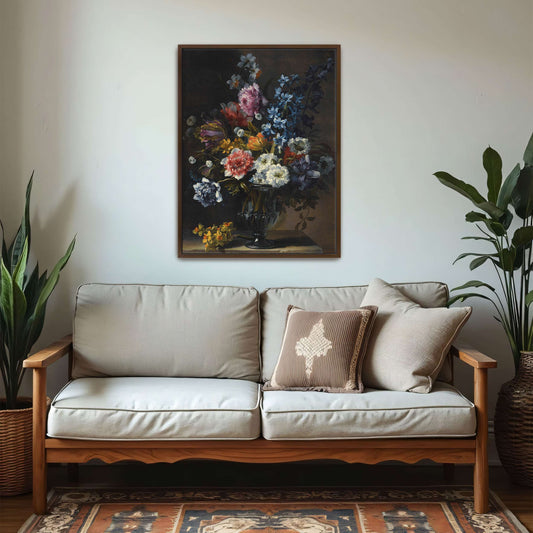
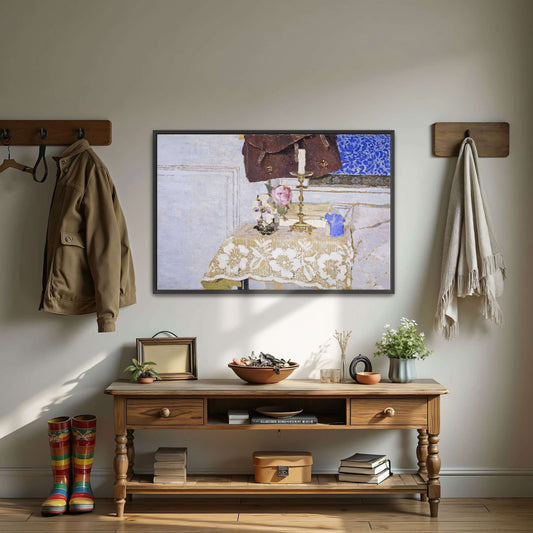
Still life wall art is made to be seen up close, so it suits smaller walls. Try it above a sideboard, beside a dining table or in a hallway. A pair of flower pieces works well on either side of a window or a mirror. Food subjects belong in the kitchen and the dining room. Gold and walnut frames suit the older flower paintings. Black and white frames suit the modern ones. Flower pieces make good gifts, because they suit almost any room. For a set, choose three works by one painter, such as Vuillard bouquets in matching frames.
Sizes and formats
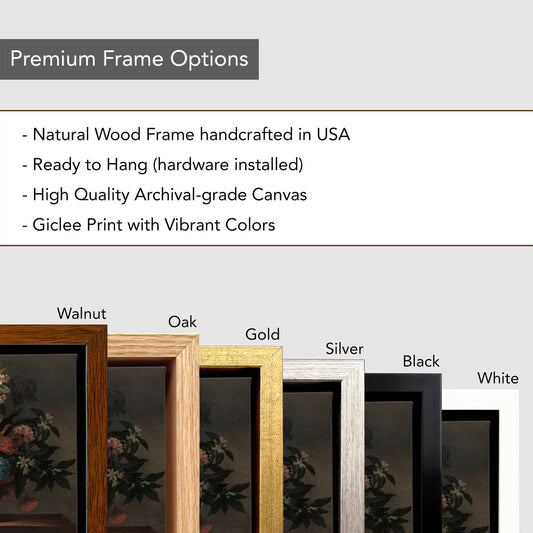
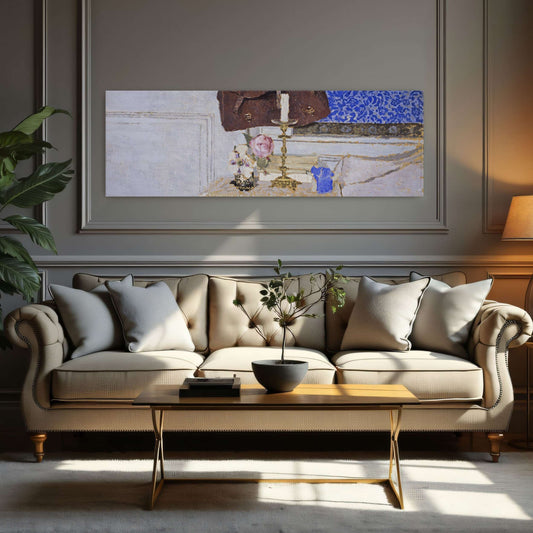
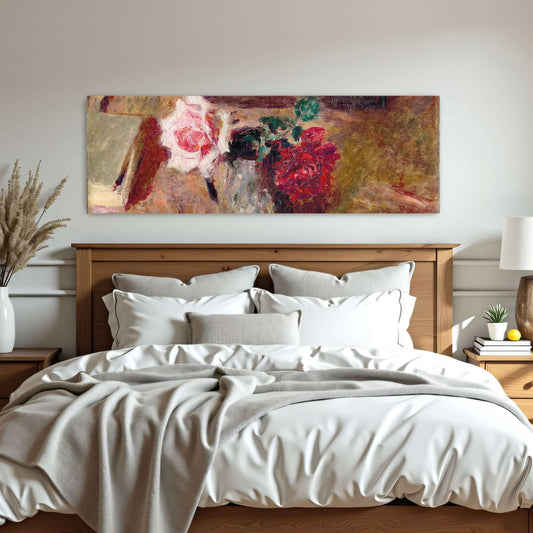
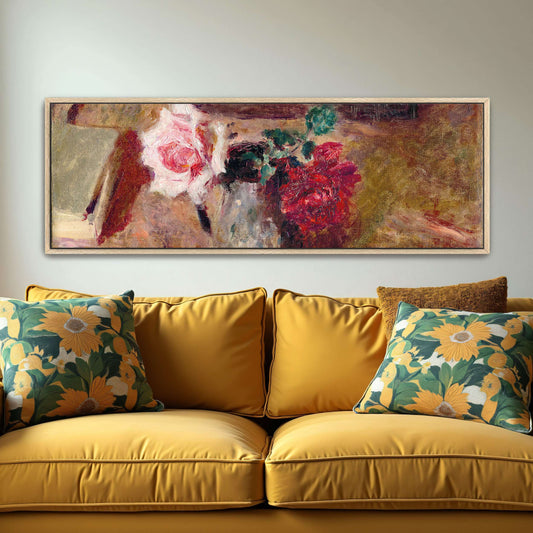
Sizes run from 8 × 12 to 28 × 42 inches, or from 11 × 14 to 30 × 40 inches. The range depends on the shape of the work. Each product page shows the current price for every size and format. Frames come in black, white, gold, silver, walnut and oak. The paper is 340gsm, 100% cotton rag, and ships rolled in a tube. The canvas is acid-free, with giclée printing rated for more than 100 years of fade resistance. Some works also come as 3:1 panoramic prints, from 8 × 24 to 20 × 60 inches.
Related collections
For flowers alone, see Vintage Floral Prints. For botanical fruit plates, see Vintage Fruit Prints. Two painters have their own pages: Édouard Vuillard Prints and Alexej von Jawlensky Prints.