









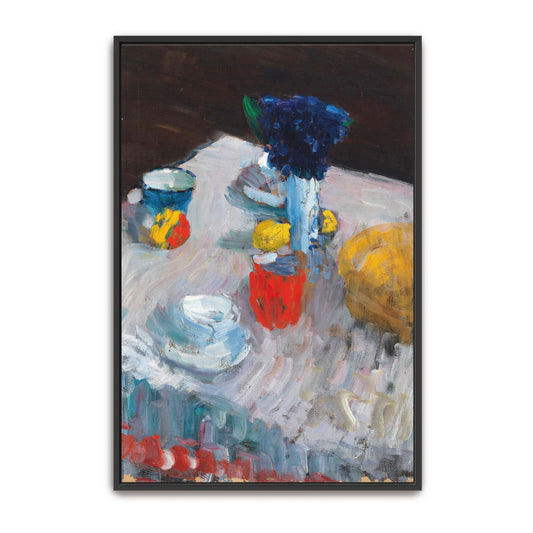
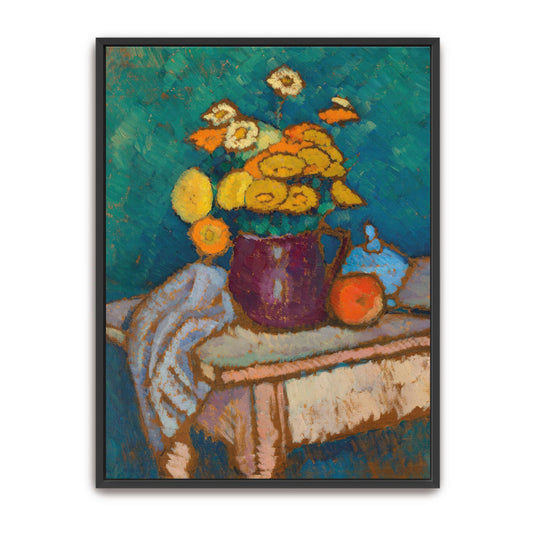












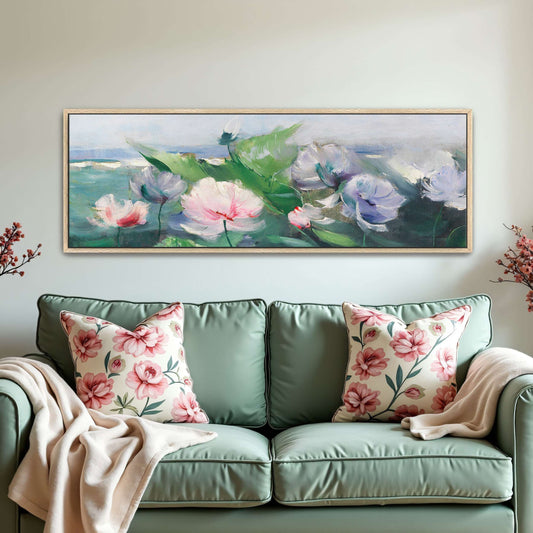
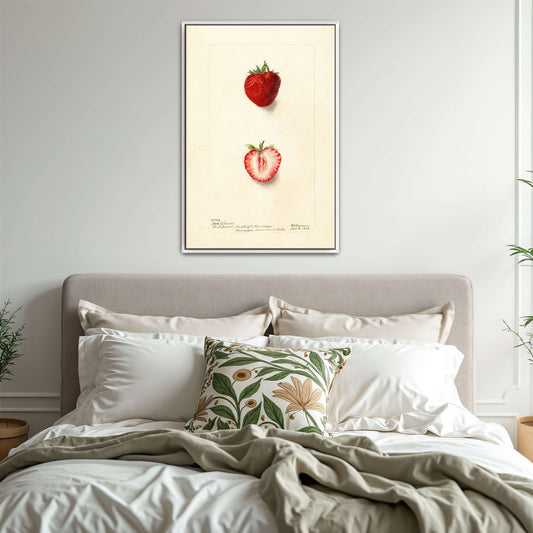
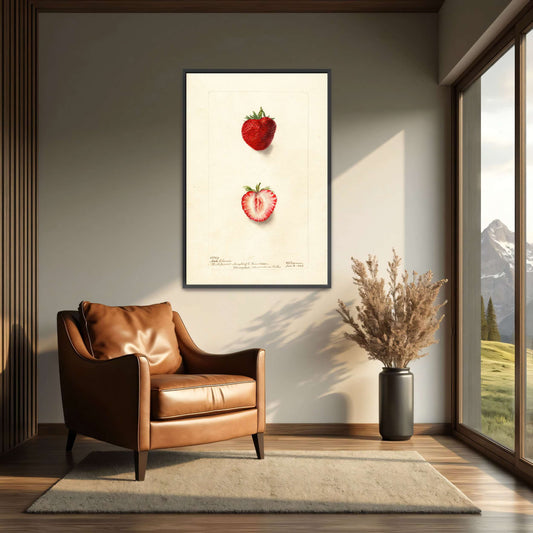
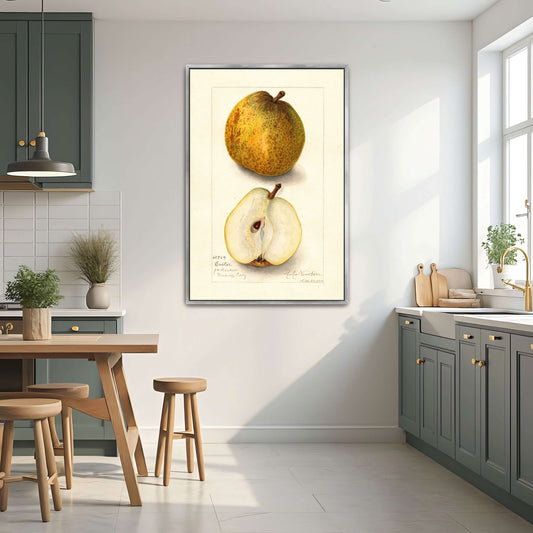
Vintage botanical prints from old plant books
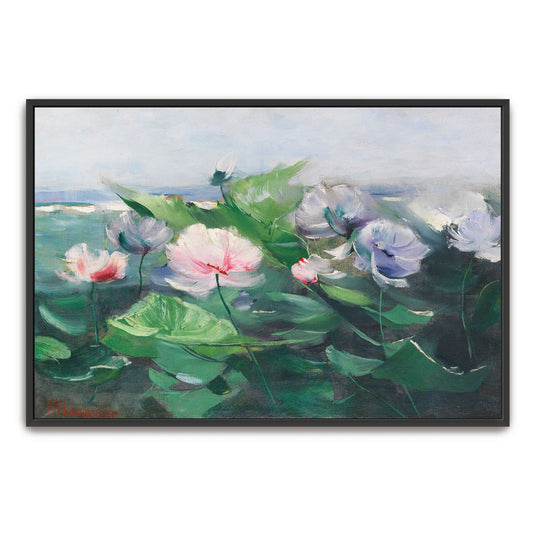
Vintage botanical prints began as science. Artists drew a plant so that a reader could name it: the flower, the leaf, the fruit, and often a cut section. The best plates are also fine pictures. This collection reproduces public-domain plates and watercolors from the 1750s to the 1930s.
What makes a botanical print
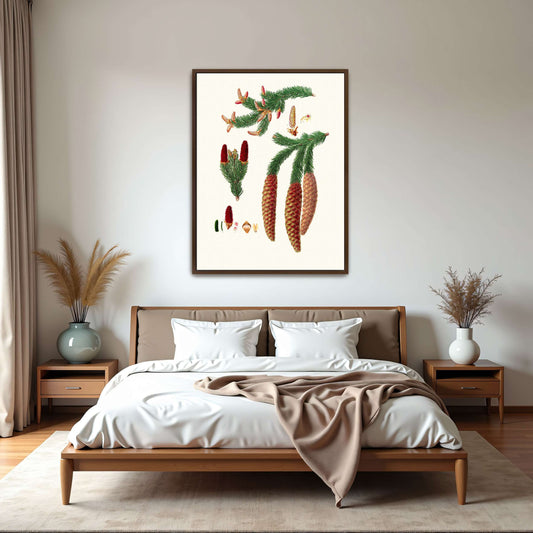
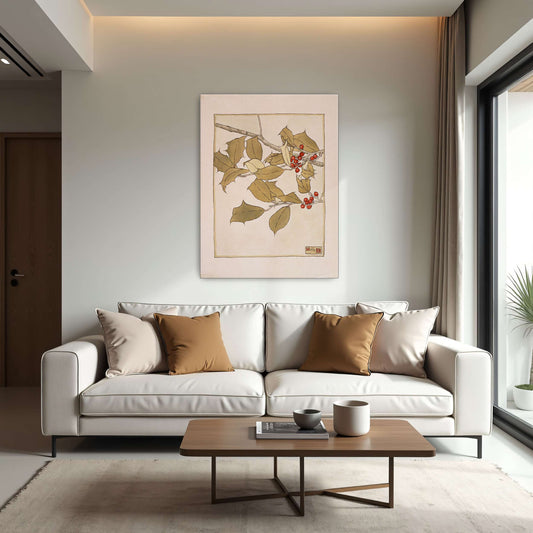
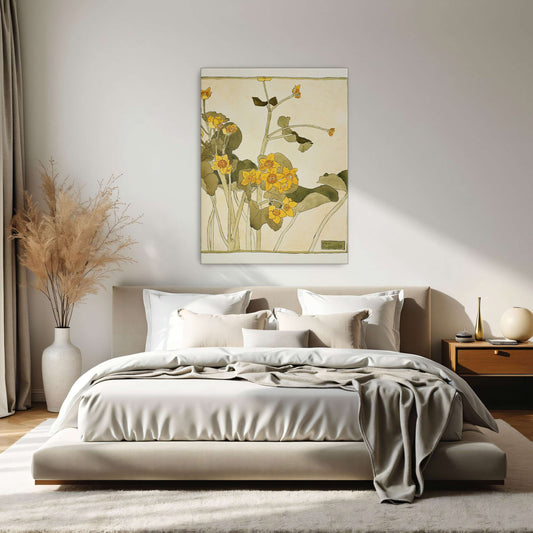
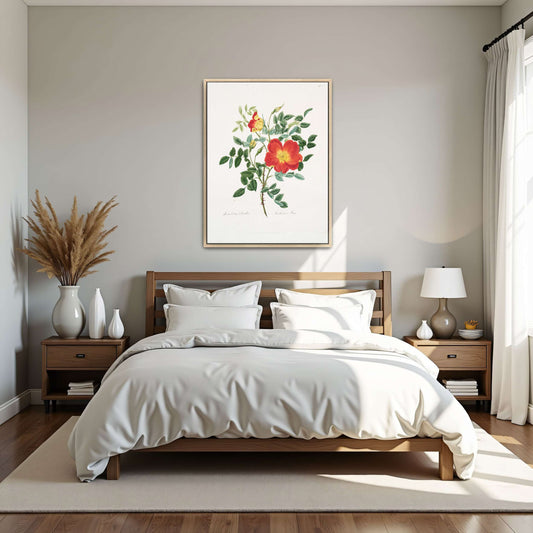
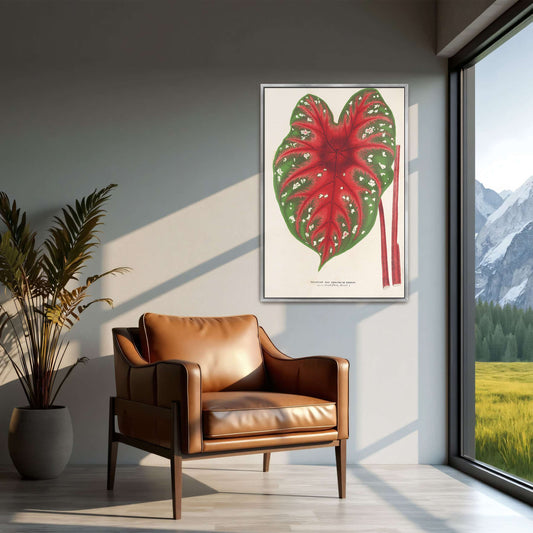
A botanical print shows one plant, or one part of a plant, on a plain ground. Colors follow the living plant. Many plates carry the Latin name. Some show the seed, fruit or root beside the flower. Early plates were engravings colored by hand, and later ones were often watercolors. Our antique botanical prints keep the pale paper tone of the originals.
Artists in this collection
Pierre Joseph Redouté (1759–1840) painted roses and lilies for French royal patrons. Georg Dionysius Ehret (1708–1770) was one of the leading plant painters of the 18th century. James Bateman's orchid book of 1837 to 1843 is known for its very large pages.
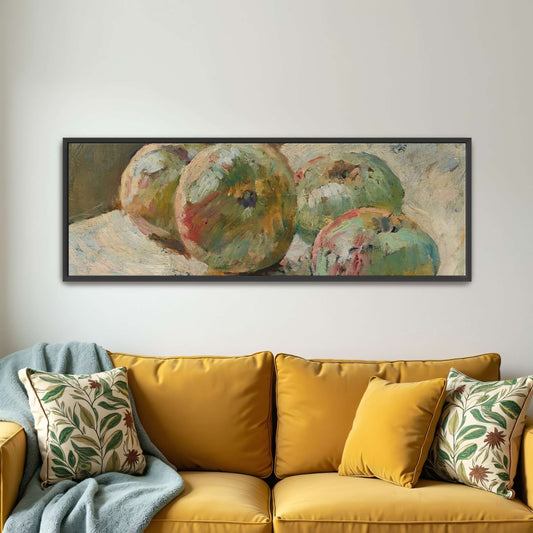
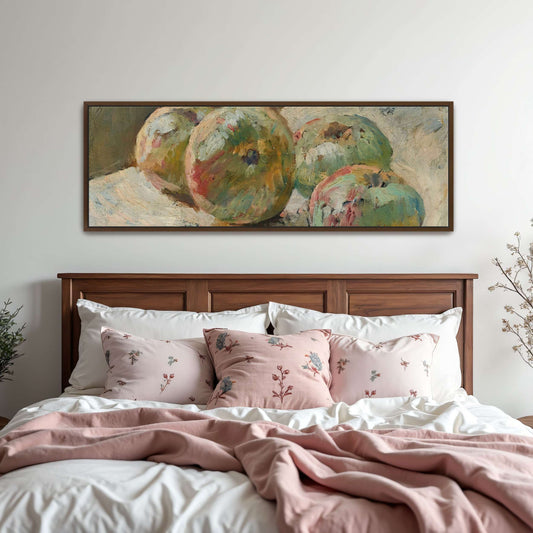
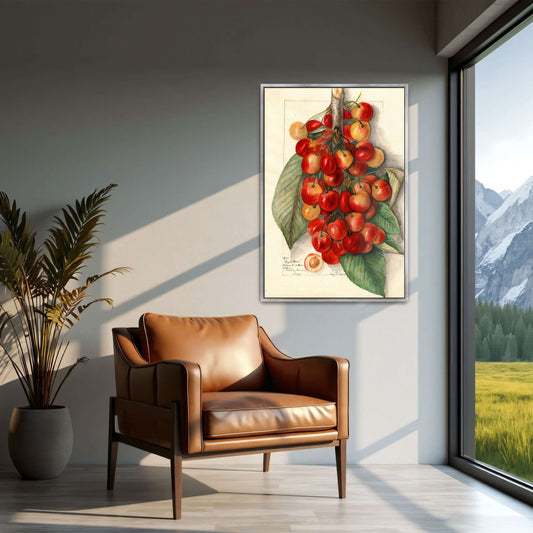
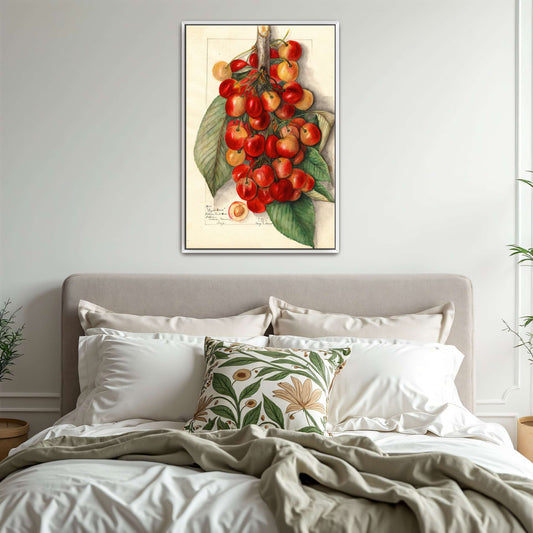
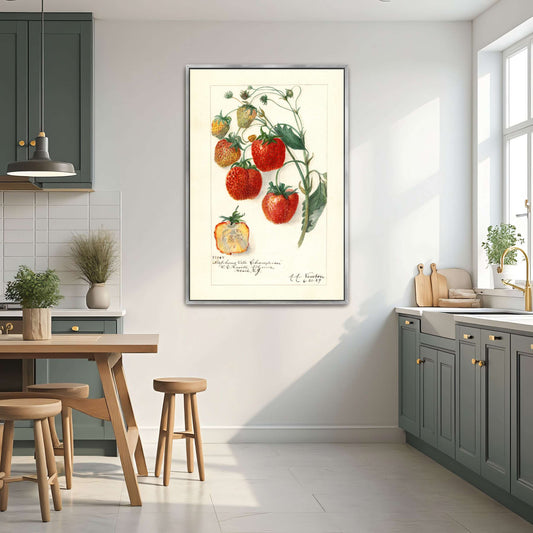
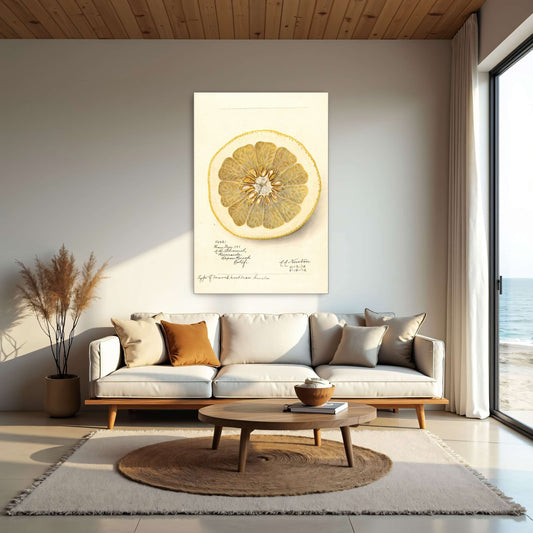
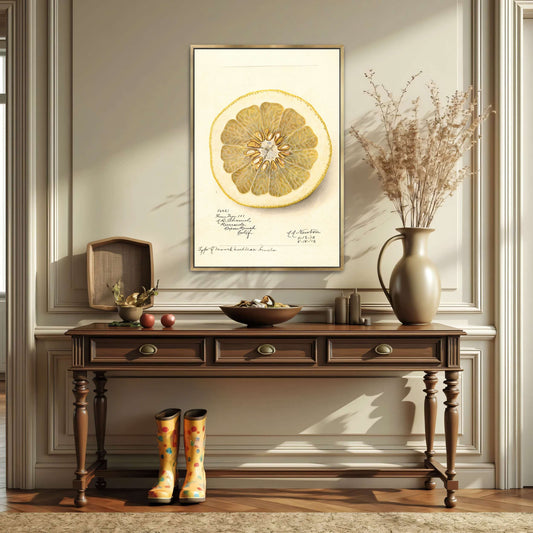
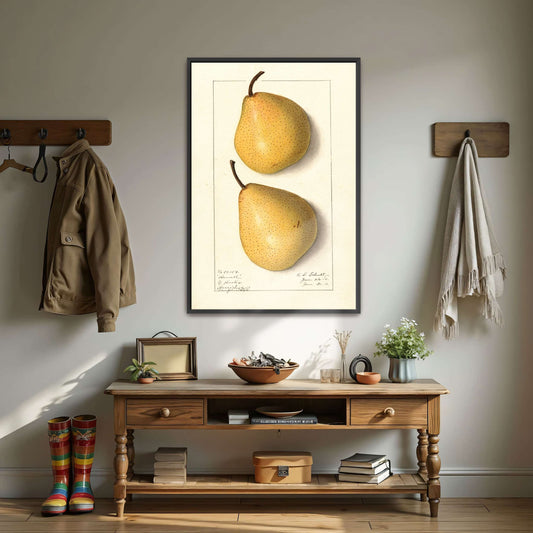
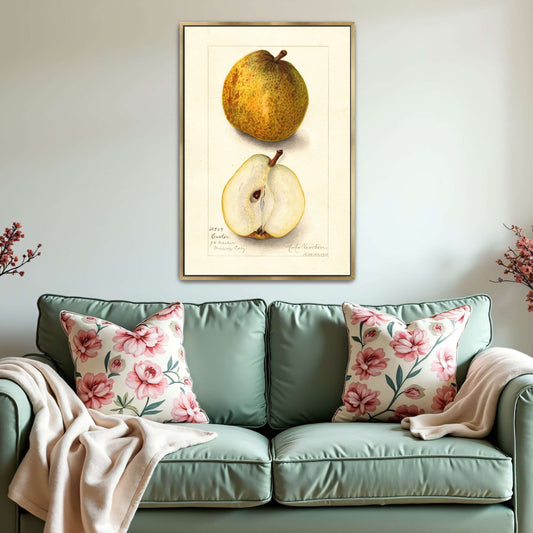
Much of the collection comes from the USDA Pomological Watercolor Collection. From 1886 to 1942 the U.S. Department of Agriculture paid artists to paint fruit varieties. Deborah Griscom Passmore, Amanda Almira Newton and Ellen Isham Schutt painted apples, pears, citrus and berries in close detail. Their fruit has its own page, Vintage Fruit Prints.
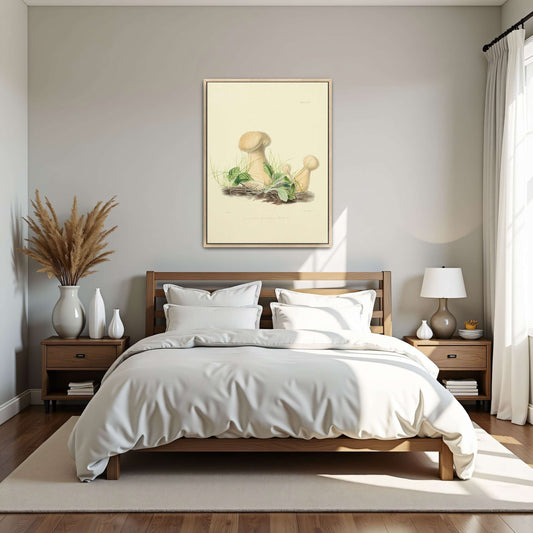
Other plates show fungi by Anna Maria Hussey and Guillaume Sicard, and bright leaves by Edward Joseph Lowe. Mary Vaux Walcott and Hannah Borger Overbeck painted American wildflowers and garden plants.
Plates to start with
- Pierre Joseph Redouté, Rosa Gallica Aurelianensis (1817–1824)
- Georg Dionysius Ehret, Punicae (1750–1773)
- James Bateman, Epidendrum Macrochilum (1837–1843)
- Mary Lawrance, Rosa muscosa (1799)
- Ellen Isham Schutt, Malus domestica (1905)
- Anna Maria Hussey, Illustrations of British mycology, plate 54 (1847–1855)
- Mary Vaux Walcott, California Poppy (1935)
How to build a botanical print set
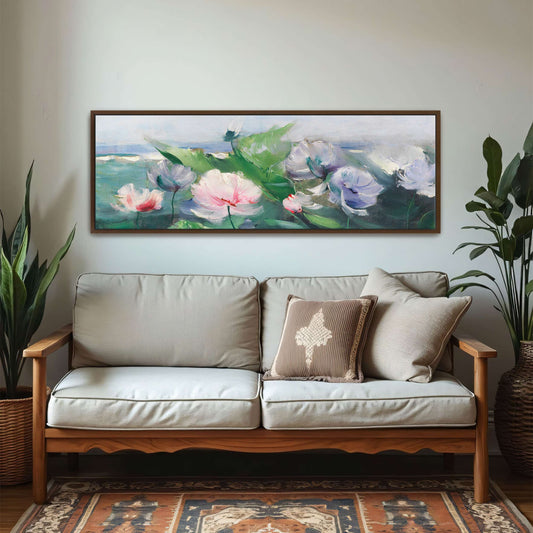
Botanical prints look best in groups. For a botanical print set, choose three to six prints from one artist or one kind of plant. Use one size and one frame color. Hang them in a row or a grid with even gaps between the frames.
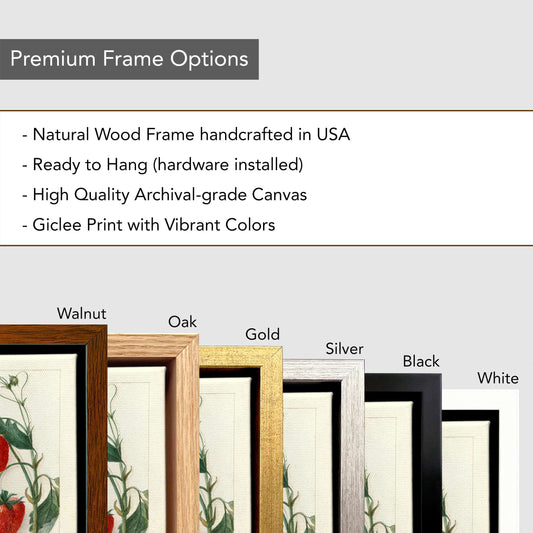
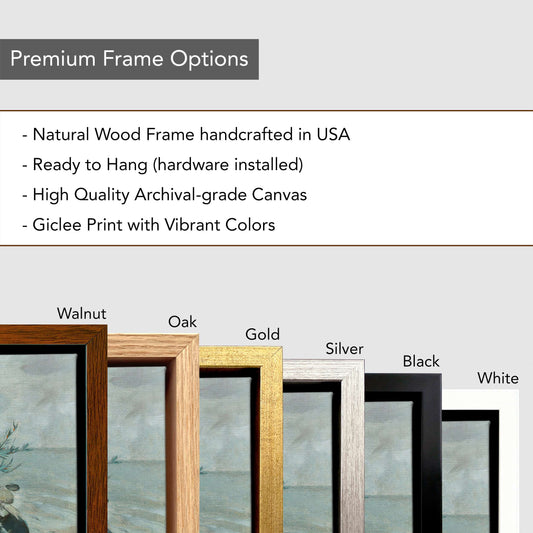
Sizes run from 8 × 12 to 28 × 42 inches, or from 11 × 14 to 30 × 40 inches. The range depends on the plate. Each product page shows the current price for every size and format. Frames come in black, white, gold, silver, walnut and oak.
Paper, canvas and frames
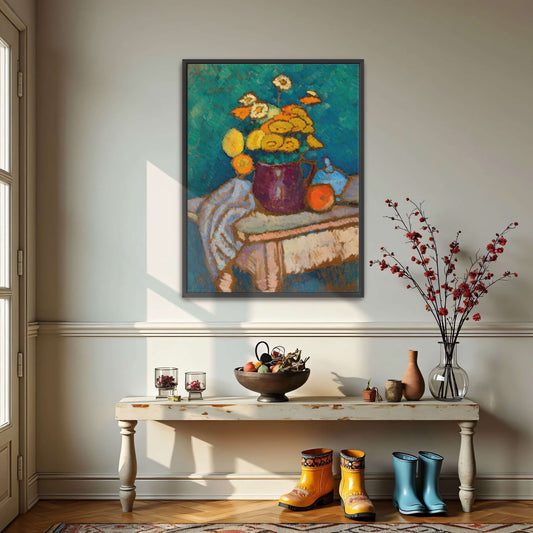
Most botanical plates were first printed on paper, so fine art paper keeps closest to the original look. Our paper is 340gsm, 100% cotton rag, and ships rolled in a tube. It suits a set in your own matching frames. Canvas adds a light texture and needs no glass. A thin black or oak frame suits most plates, and gold suits the roses.
Botanical wall art room by room
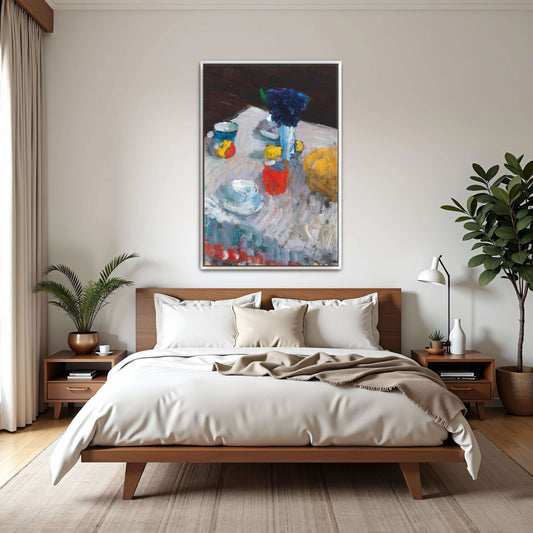
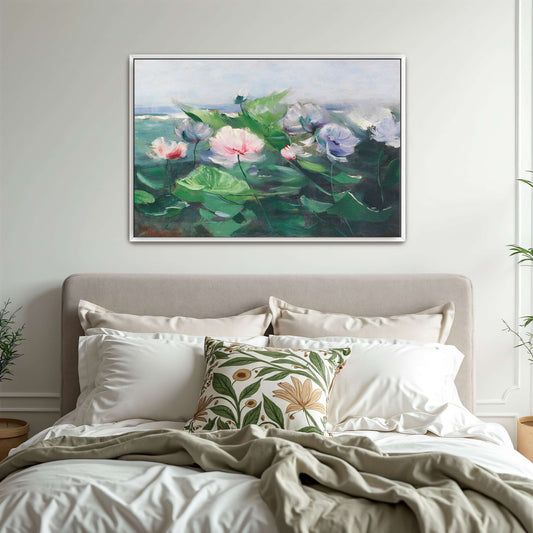
Botanical wall art suits kitchens, dining rooms, entries and bedrooms. Fruit plates fit a kitchen. Roses and orchids suit a bedroom or entry. Fungi and leaf plates bring deep greens and browns to a study.
For flowers painted as pictures rather than as science, see Vintage Floral Prints. For fruit and flowers on a table, see Vintage Still Life Paintings.