


Choosing dining room wall art
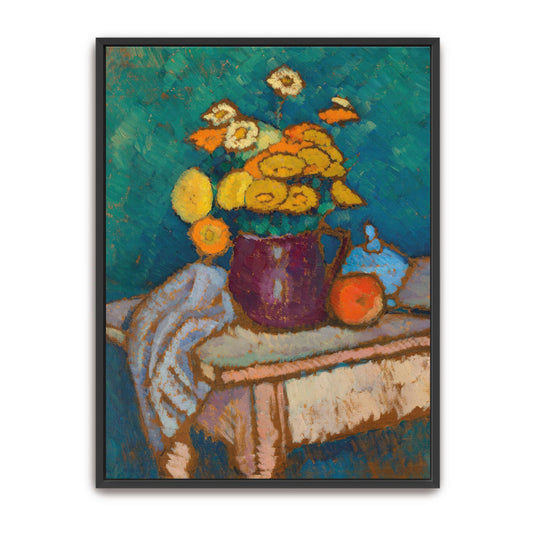
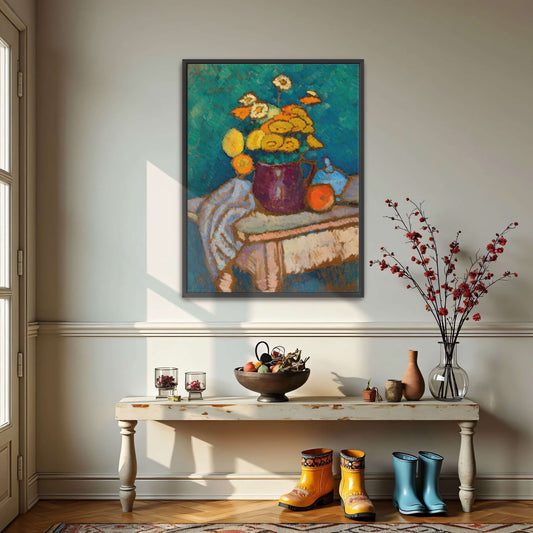
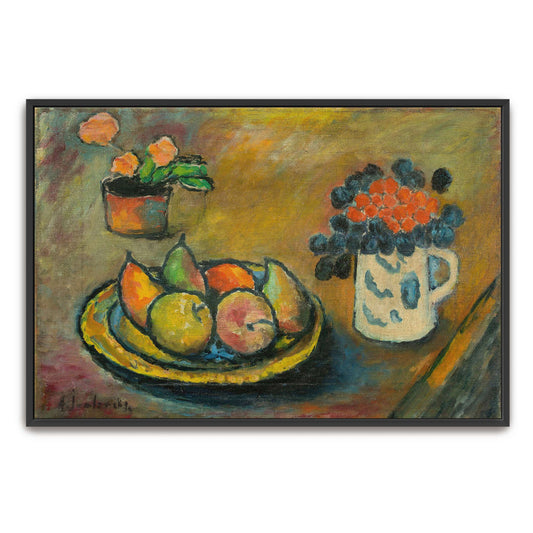
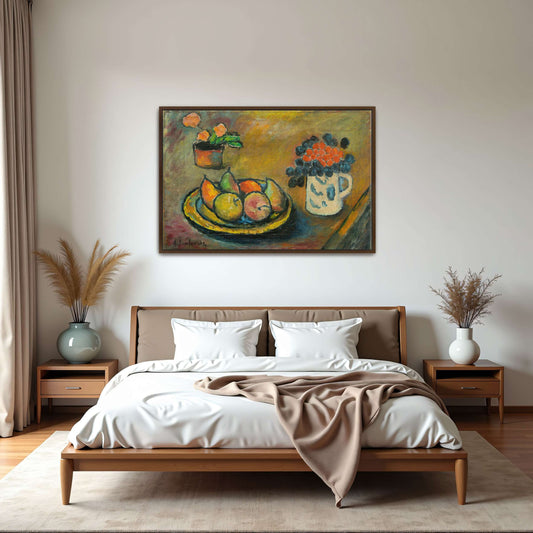
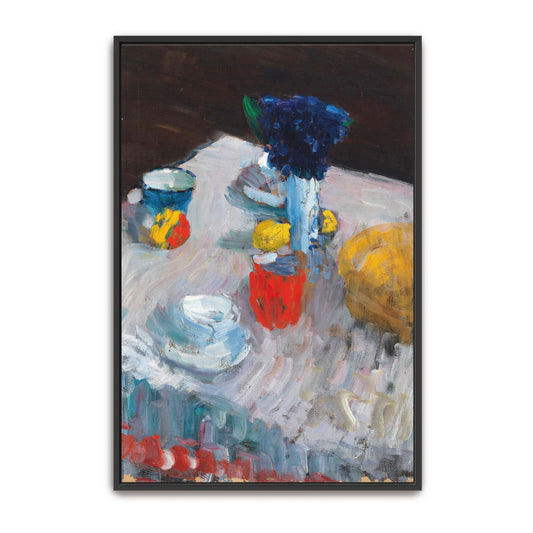
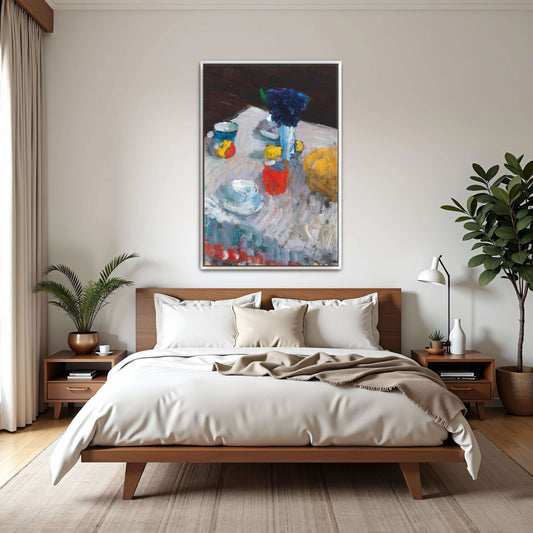
Selecting wall art for dining room spaces involves balancing intimacy, scale, and atmosphere. A dining table brings family and guests together for shared meals, so the art on the surrounding walls should reward close looking. The most classic subjects for dining room art are table scenes, fruit arrangements, floral displays, and calm landscapes.
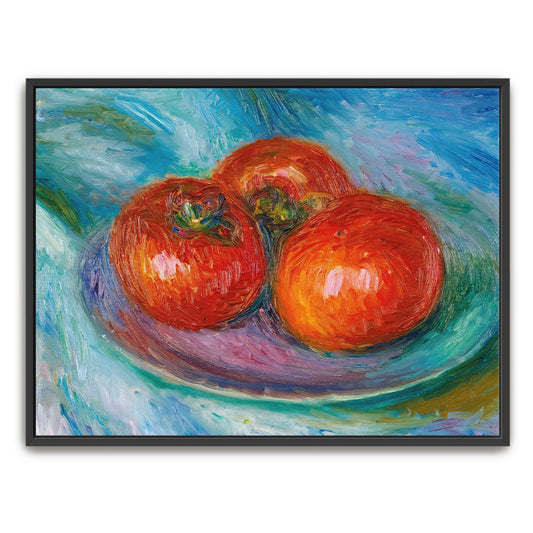
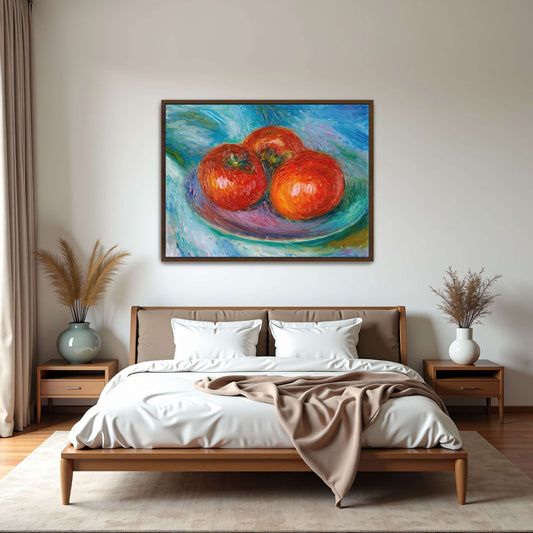
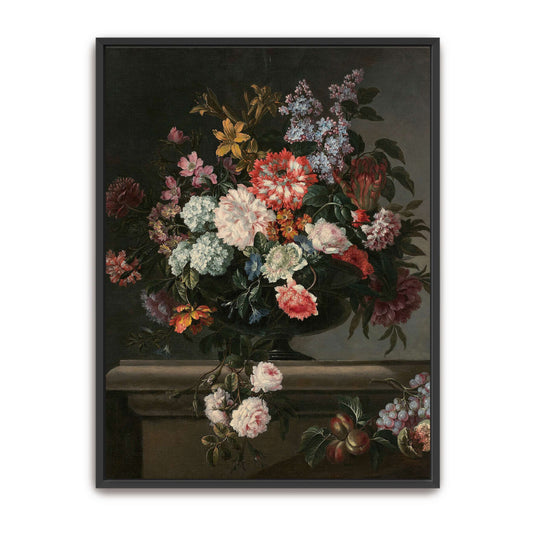
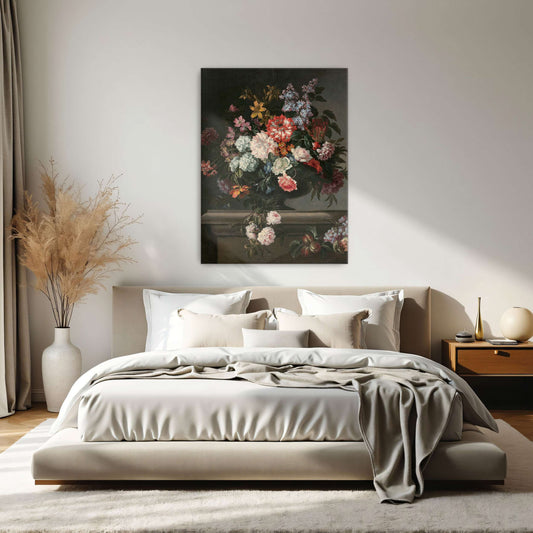
Traditional dining room paintings often depict food, tableware, and botanical studies that feel natural near a meal. For example, Édouard Vuillard's Still Life with Fish (The Smoked Herring) (1888) captures a tabletop scene with quiet, earthy tones. William James Glackens painted Three Tomatoes with rich Impressionist color and everyday simplicity. If you prefer lush florals, consider Jean-Baptiste Monnoyer's Still Life with Basket of Flowers (1690s). Monnoyer was a French Baroque painter who created floral works for Louis XIV. Browse more food and floral subjects in our Vintage Still Life Paintings collection.
Art sizes for a buffet or sideboard
A long buffet or sideboard is often the primary focal point of a dining space. A single horizontal or panoramic print provides clean visual balance above long storage furniture. As a rule of thumb, art should measure about two thirds the width of the furniture below it. Hang the print so the bottom edge sits roughly 6 to 10 inches above the sideboard top.
| Sideboard width | Two thirds width | Panoramic size | Gallery wrap | Framed canvas |
|---|---|---|---|---|
| About 48 in | 32 in | 12 × 36 in | $120 | $180 |
| About 60 in | 40 in | 12 × 36 in or 16 × 48 in | $120 / $170 | $180 / $250 |
| About 72 in | 48 in | 16 × 48 in | $170 | $250 |
For an especially wide sideboard or an open dining wall, a 20 × 60 inch panoramic print creates a strong presence. Gustav Klimt's Lakeside Village (Litzlberg on the Attersee) (1914 to 1915) brings serene green hills and water into the room. You can discover more horizontal subjects in our Panoramic & Horizontal Wall Art and Vintage Landscape Paintings collections.
Pairs and botanical sets
A narrow wall between two dining room windows or a recessed alcove often looks best with a balanced pair of prints. Botanical illustrations and vintage fruit studies work especially well in pairs or grids of four. They bring structured color and charm to plain walls without competing with your centerpiece.
Thomas Andrew Knight's Red Apples on Branch (Cowarne Red) (1811) pairs well with Ellen Isham Schutt's Two Pears Watercolor (Howell Variety) (1911). You can explore more fruit illustrations in our Vintage Fruit Prints gallery. When hanging pairs or sets, keep 2 to 3 inches between frames so they read as a single unit.
Matching art to your dining room style
Frame choice and artistic style help connect your artwork to your existing dining room furniture.
- Farmhouse: Warm oak or walnut wood frames, simple fruit watercolors, and pastoral landscapes suit reclaimed wood dining tables and woven chairs.
- Traditional: Gold or dark walnut frames complement mahogany furniture, wainscoting, and formal Baroque still lifes with ornate arrangements.
- Modern: Slim black floating frames and Post-Impressionist still lifes provide crisp lines against flat paint and minimalist lighting.
People experience dining room artwork while seated, so art can hang slightly lower than in a hallway. On an open wall without furniture, center the print roughly 57 inches from the floor. Framed canvases arrive with hanging wire attached, making leveling fast. Gallery-wrapped canvases arrive with sawtooth hangers and look clean without an exterior frame. Fine art paper prints use 340 gsm cotton rag paper and ship rolled in a tube. Paper prints require your own frame, while canvas options arrive ready to hang.