
















Vintage floral prints and flower paintings
These vintage floral prints come from several traditions. You will find court flower painting, French interiors, Vienna gardens and botanical watercolors. Every painting is in the public domain, and every print is made to order. Many of our vintage flower prints also come in long panoramic formats.
Painters of flowers in this collection
Jean-Baptiste Monnoyer (1636–1699) painted flowers for Louis XIV. His baskets and urns hold tulips, roses, lilies and carnations in rich color, often on dark grounds.
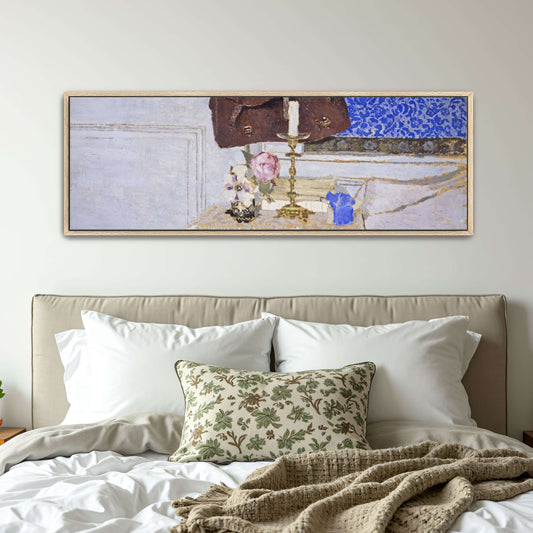
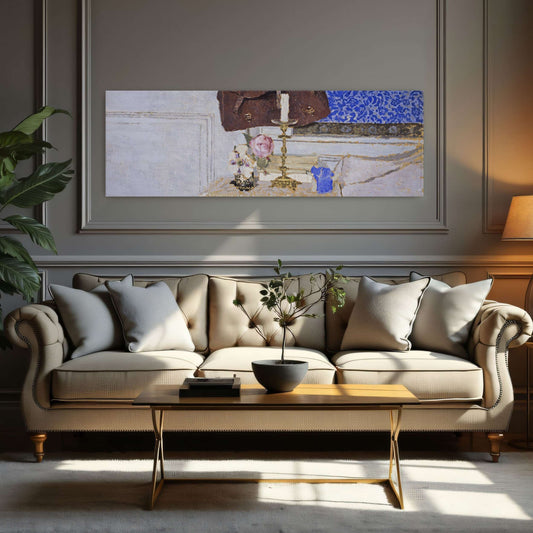
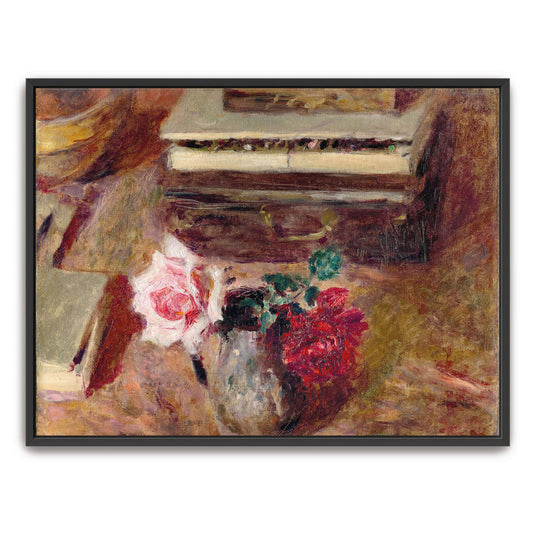
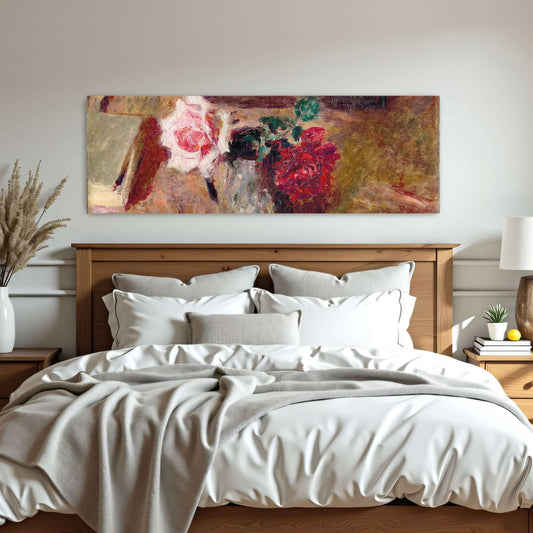
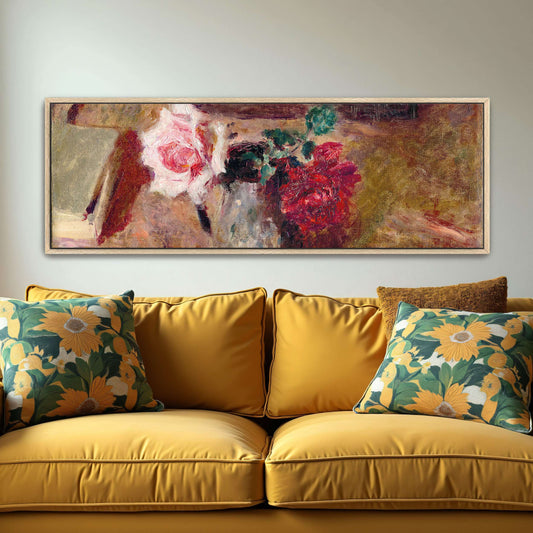
Édouard Vuillard (1868–1940), a member of the Nabis group in Paris, painted vases of anemones, lilacs and roses in quiet rooms. See all his work in Édouard Vuillard Prints. Odilon Redon painted flowers in glowing pastel.
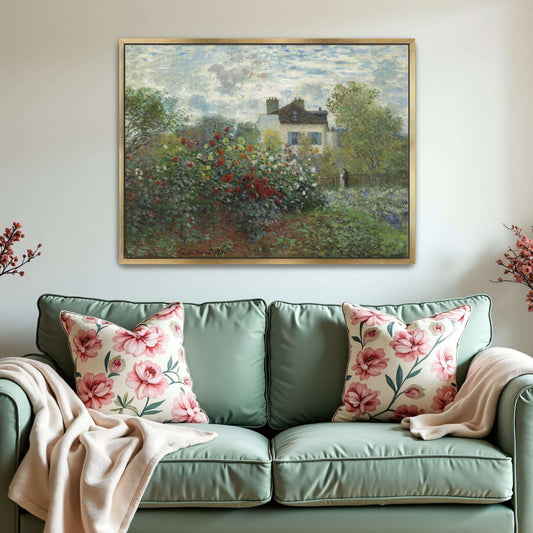
In Vienna, Gustav Klimt painted cottage gardens full of sunflowers. His friends Carl Moll and Koloman Moser painted roses and cyclamen. See Gustav Klimt Prints. Alexej von Jawlensky painted lilac and summer bouquets in strong color, collected in Alexej von Jawlensky Prints. Claude Monet's garden at Giverny appears in several prints, and more are in Claude Monet Prints.
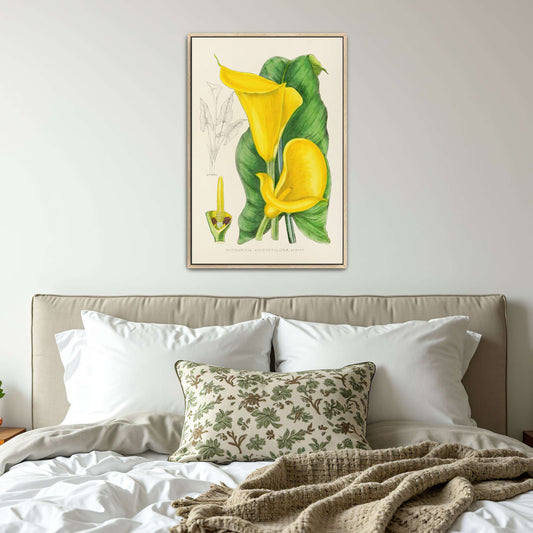
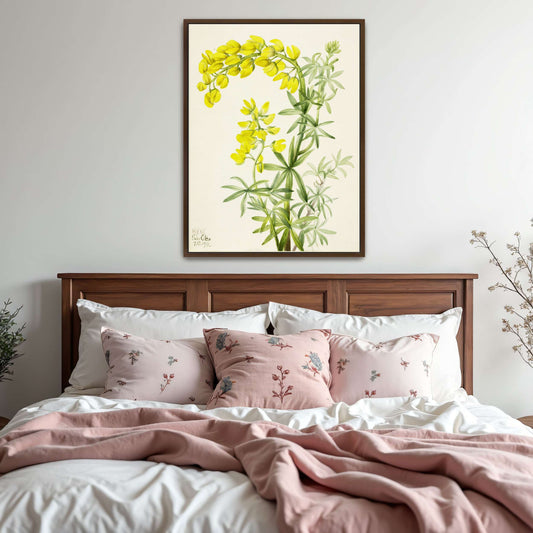
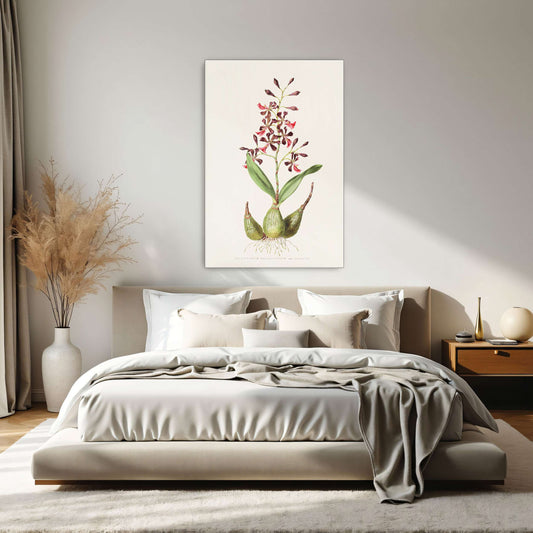
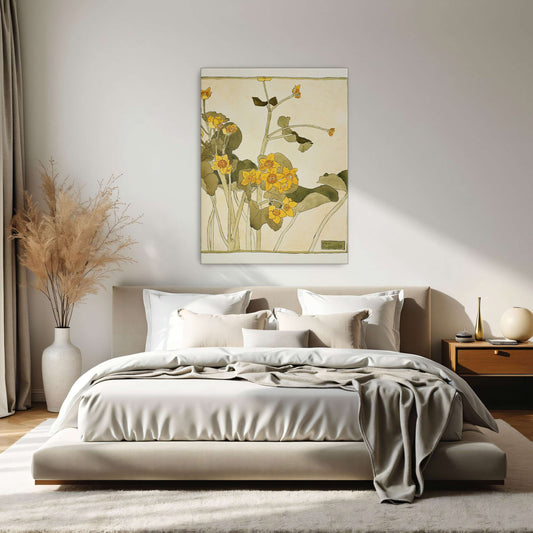
Botanical artists add a quieter look. Mary Vaux Walcott's wildflowers and Hannah Borger Overbeck's flower studies sit on plain, pale grounds.
Flowers you will find
Roses run through the collection, from Carl Moll's white roses to Vuillard's small vases. Lilacs come from Vuillard and Jawlensky. Tulips, lilies and carnations fill Monnoyer's baskets. Sunflowers stand in Klimt's cottage gardens. Poppies range from Walcott's California poppies to wide summer meadows. Irises and dahlias grow in Monet's gardens.
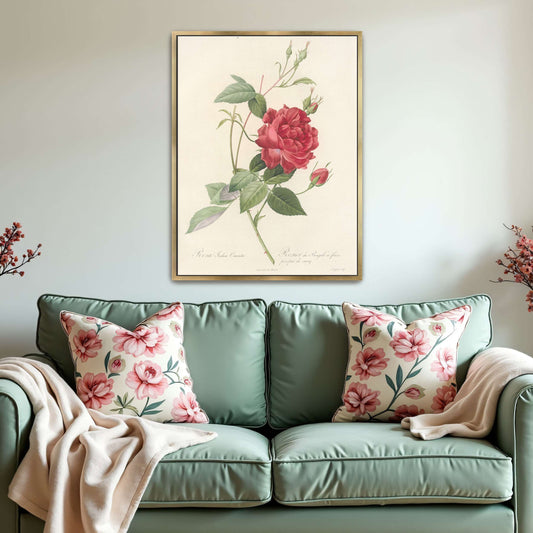
Flower prints also work well as a pair. Hang two bouquets by the same painter, in matching frames, on either side of a window, bed or sideboard.
Floral prints to start with
- Jean-Baptiste Monnoyer, Still life with basket of flowers (1690s)
- Édouard Vuillard, Les Anémones sur une petite table (1905–1907)
- Odilon Redon, Nasturtiums (1905)
- Gustav Klimt, Cottage garden with sunflowers (1907)
- Carl Moll, Weiße Rosen II (c. 1925)
- Alexej von Jawlensky, Grosses Stilleben (Fliederstrauss in Vase) (1936)
- Mary Vaux Walcott, California Poppy (1935)
Choosing floral wall art
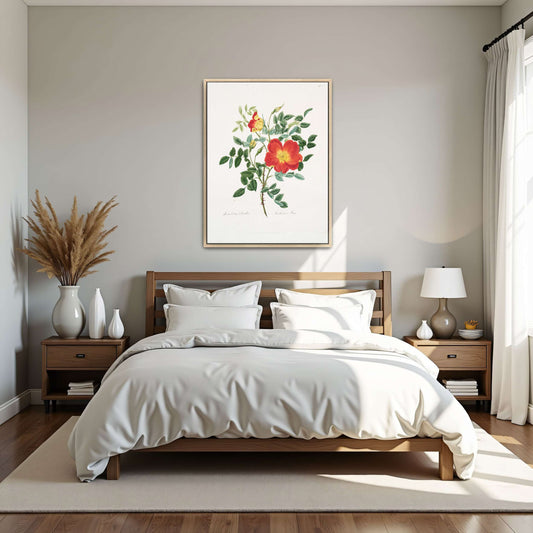
For floral wall art in a small room, pick one strong bouquet in a large size rather than several small prints. Dark-ground still lifes such as Monnoyer's suit dining rooms and studies. Pale watercolors suit bedrooms and guest rooms. Garden scenes work in a kitchen or hallway.
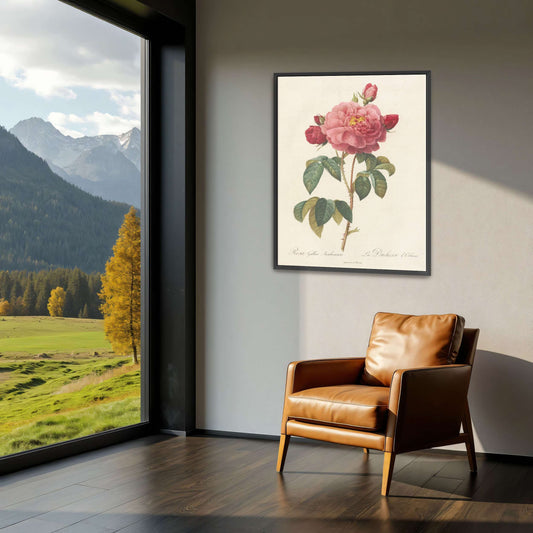
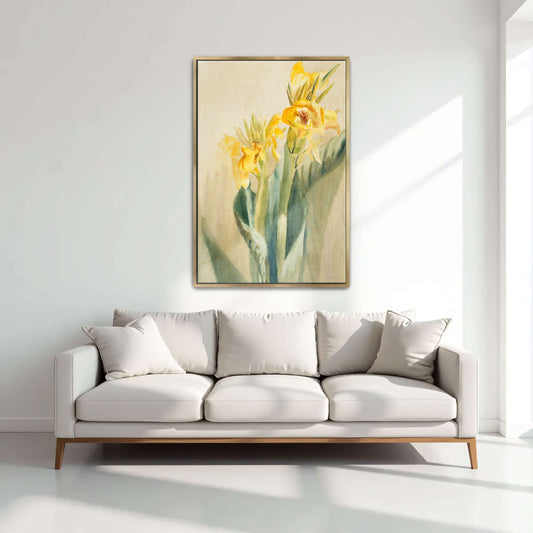
A vintage flower painting in a gold frame suits a traditional room. White or oak suits a light, modern one. Black gives a bright bouquet a sharp edge.
Sizes and frames
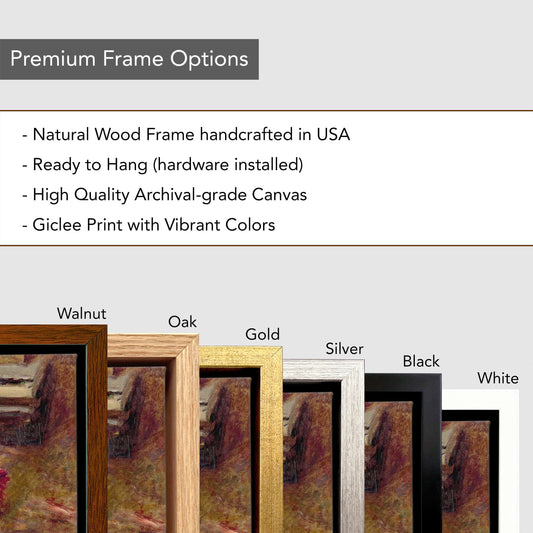
Sizes run from 8 × 12 to 28 × 42 inches, or from 11 × 14 to 30 × 40 inches. The range depends on the shape of the painting. Each product page shows the current price for every size and format. Frames come in black, white, gold, silver, walnut and oak. Panoramic prints come in 8 × 24 to 20 × 60 inches. Panoramic framed canvas comes in black, walnut or oak.
For scientific plant plates, see Vintage Botanical Prints. For flowers with fruit and objects on a table, see Vintage Still Life Paintings.