














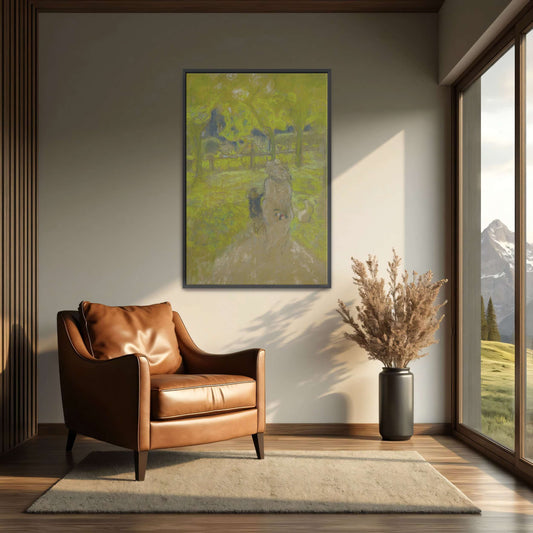
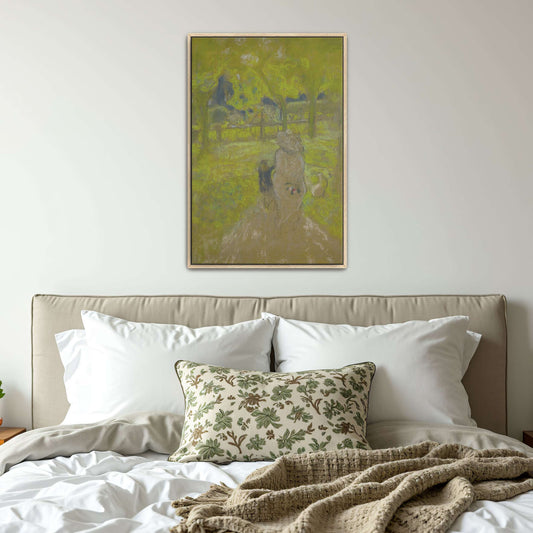
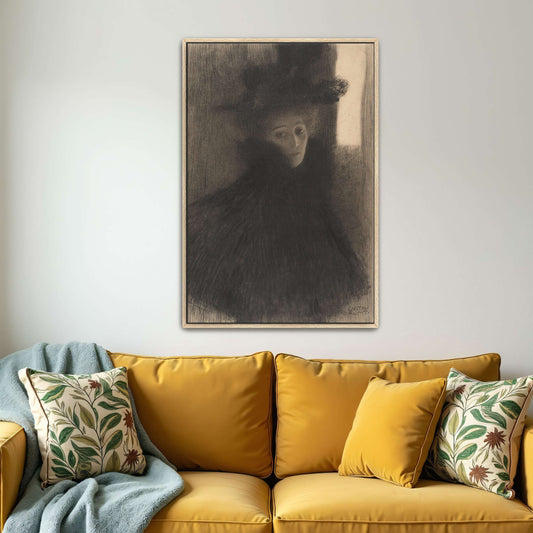
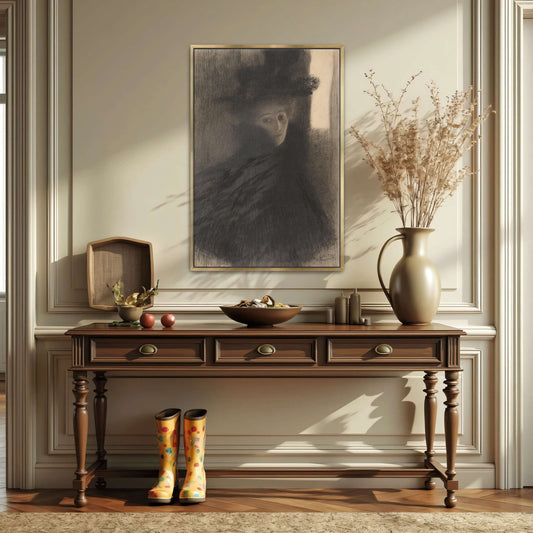















Vintage portrait painting, 1840 to 1940
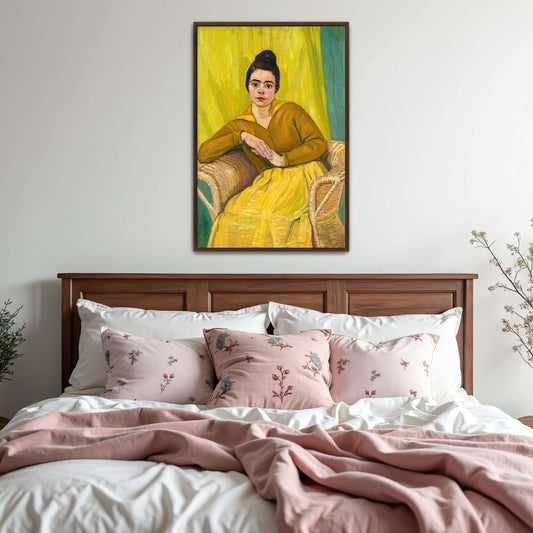
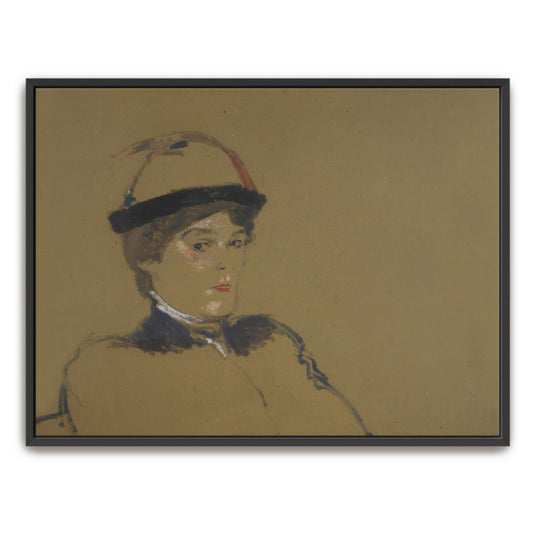
A portrait records a person, but the best ones also record a time. The portraits here span a century of change: studio head studies, Vienna society, Paris apartments and German Expressionism. Some are formal commissions. Others are studies of family and friends.
Vienna and Paris
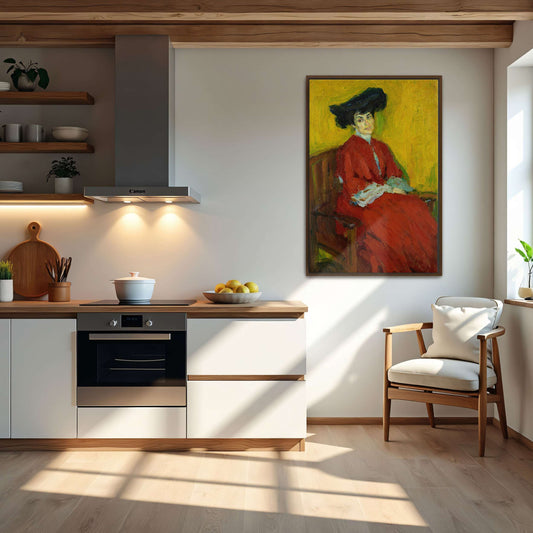
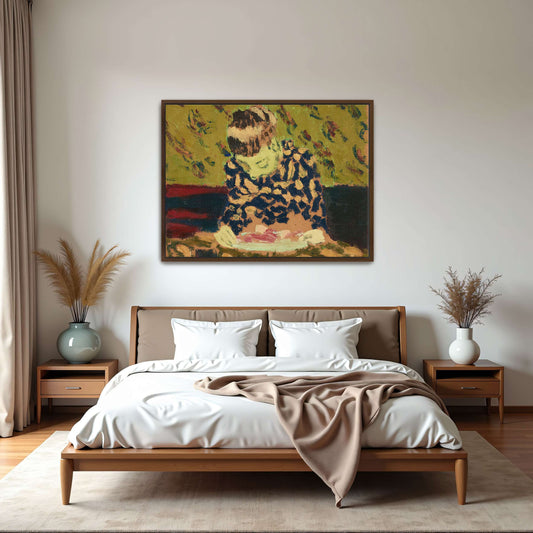
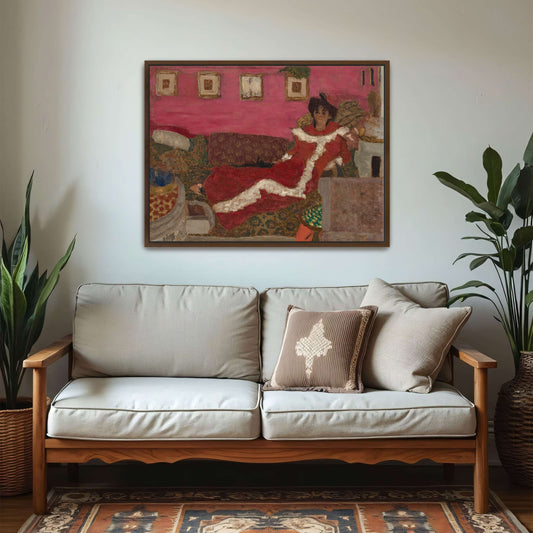
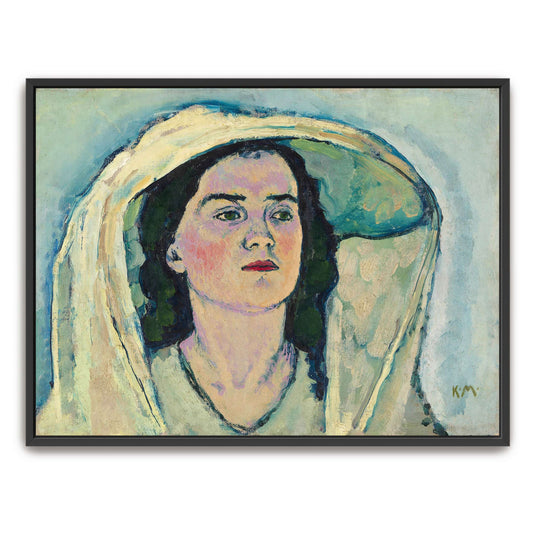
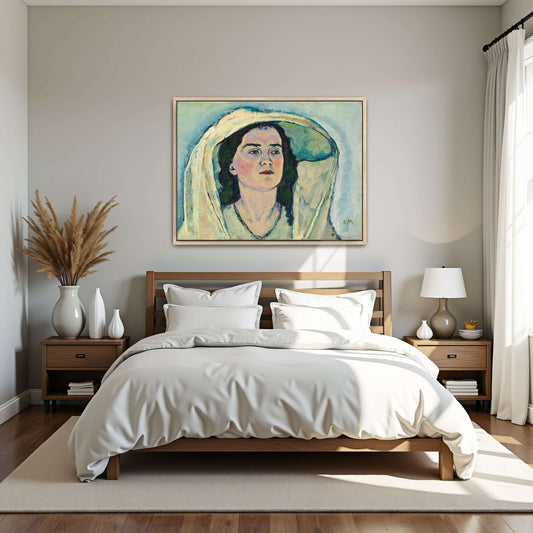
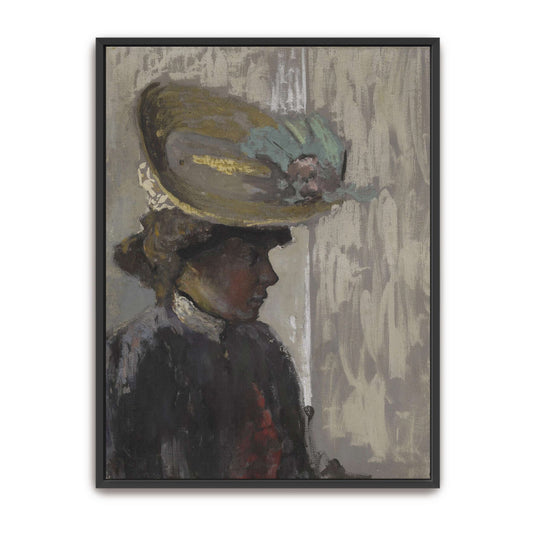
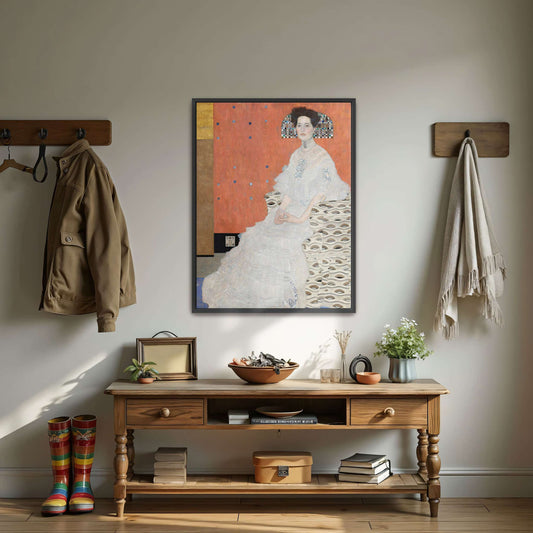
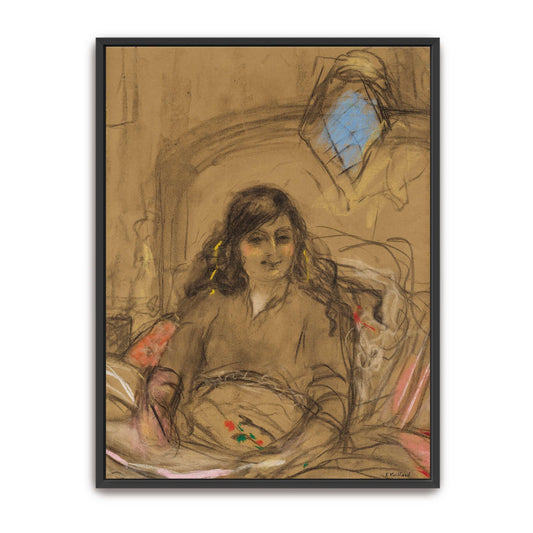
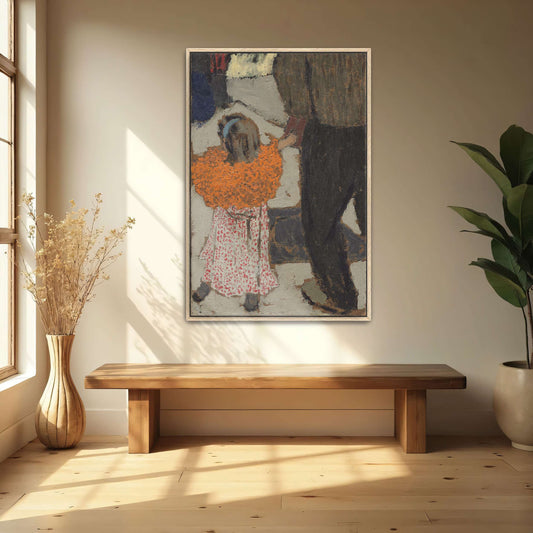
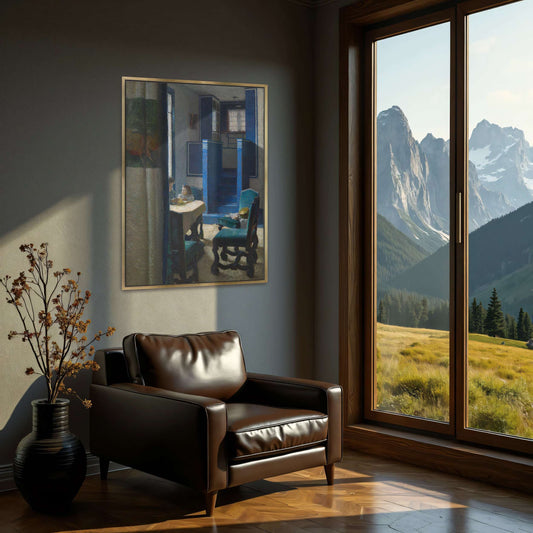
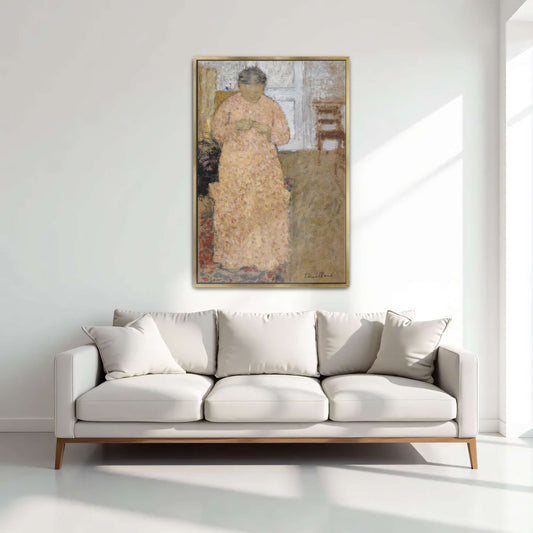
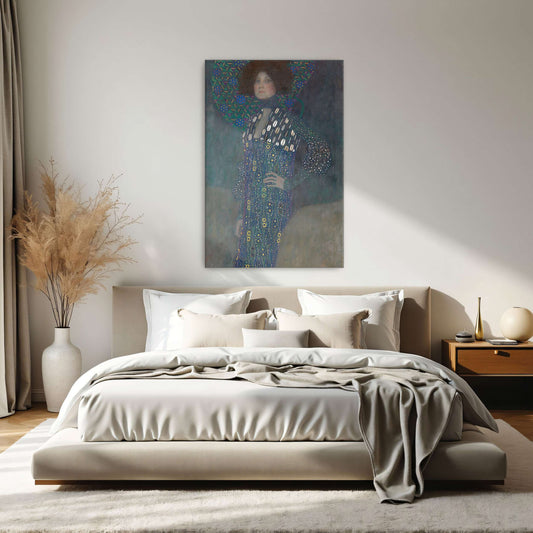
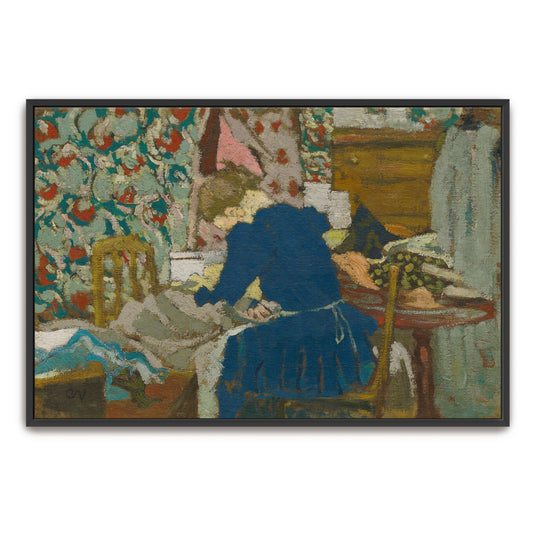
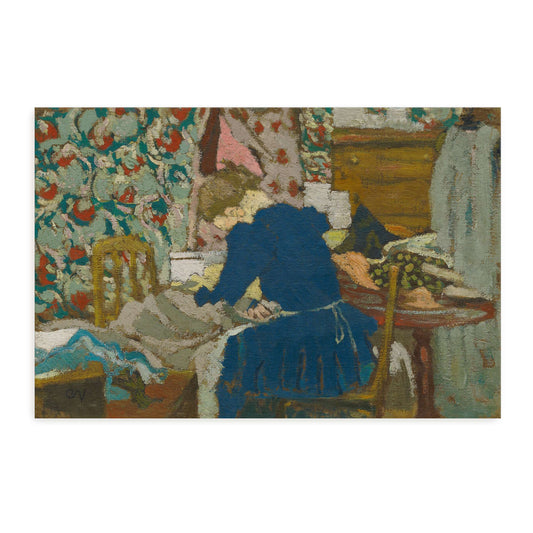
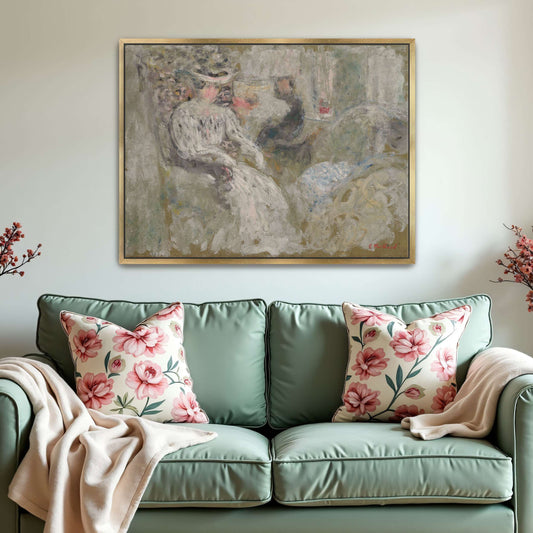
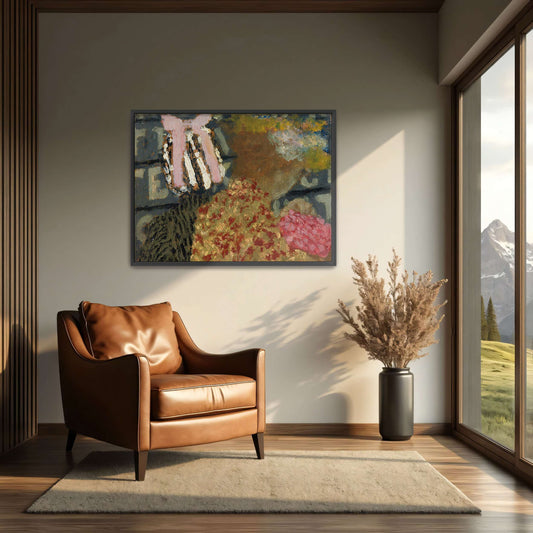
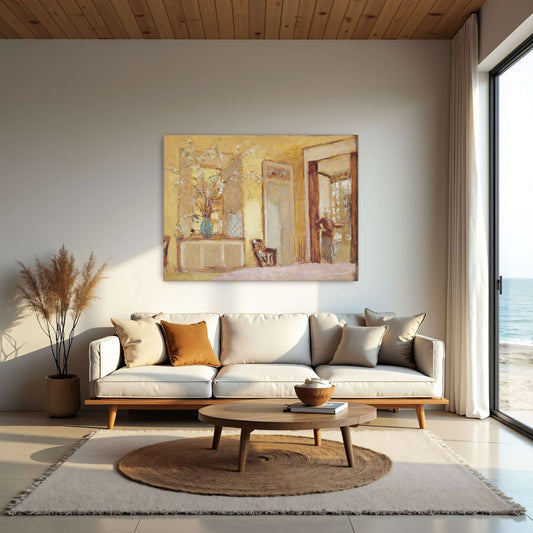
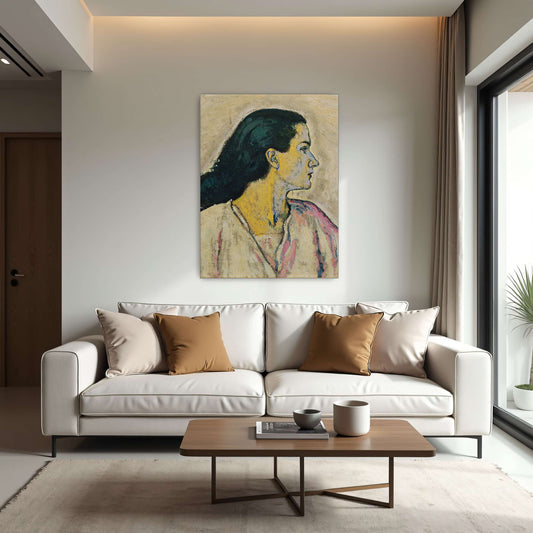
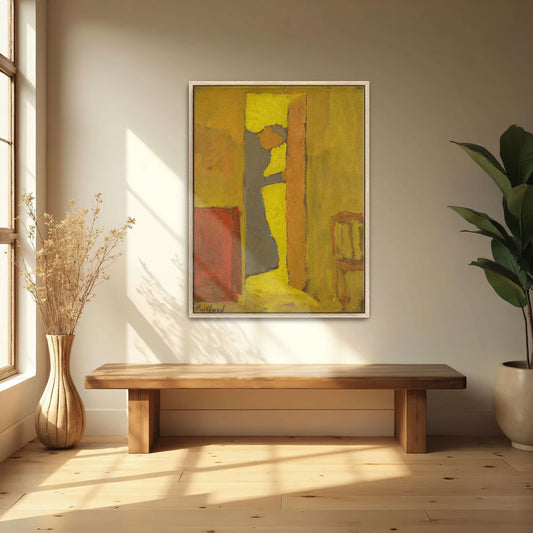
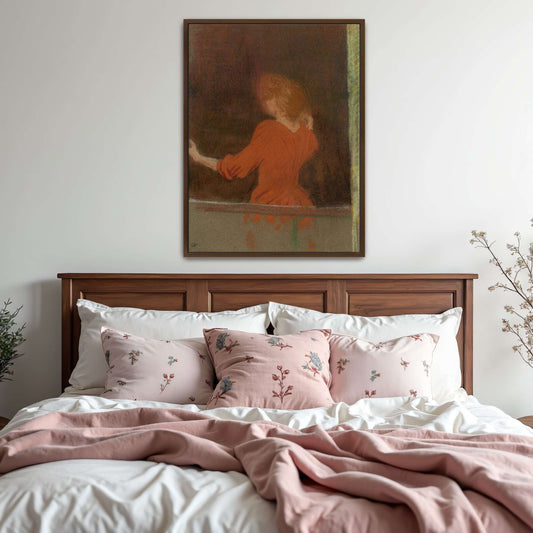
Gustav Klimt painted the wealthy women of Vienna in gold and pattern. His Portrait of Adele Bloch-Bauer I (1907) is the best known. Mäda Primavesi (1912 to 1913) shows a young girl in white against a field of flowers. Koloman Moser, his colleague in the Vienna Secession, painted the calm Portrait of a Woman in Profile (1913). In Paris, Édouard Vuillard painted people inside their rooms, among patterned walls. See Woman in a Striped Dress (1895) and Symphony in Red (about 1901).
Expressionist faces
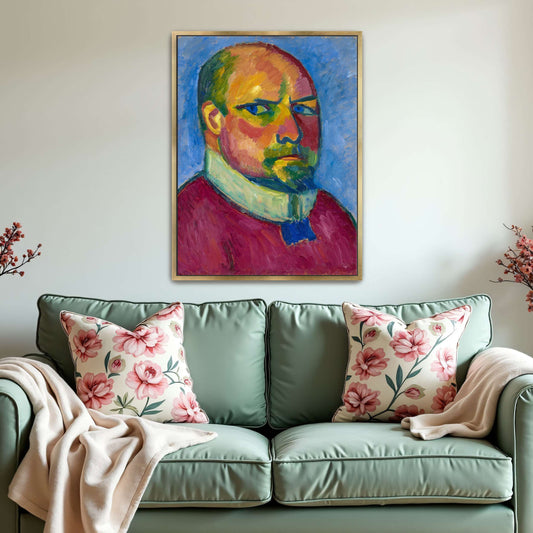
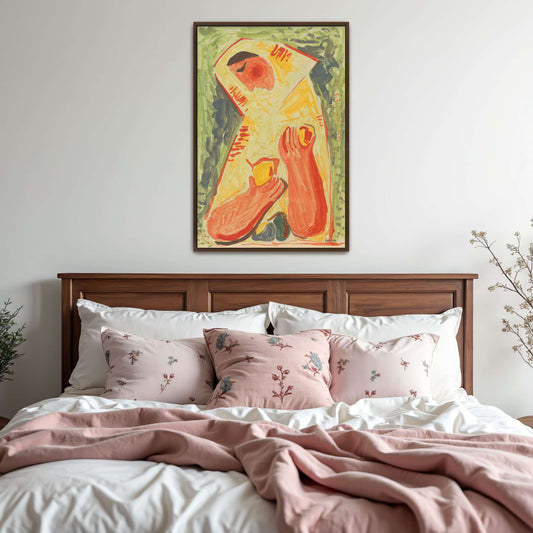
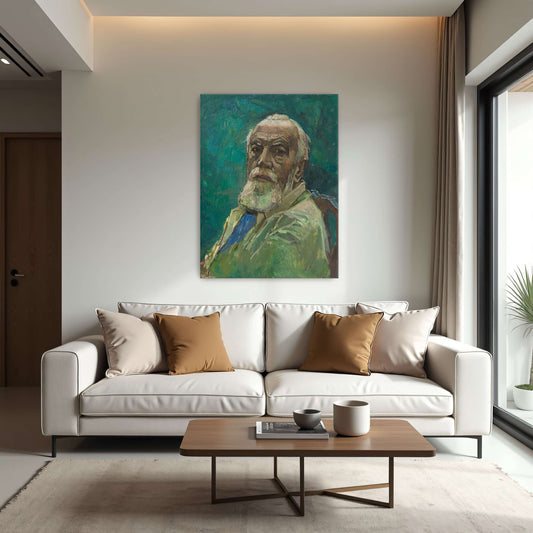
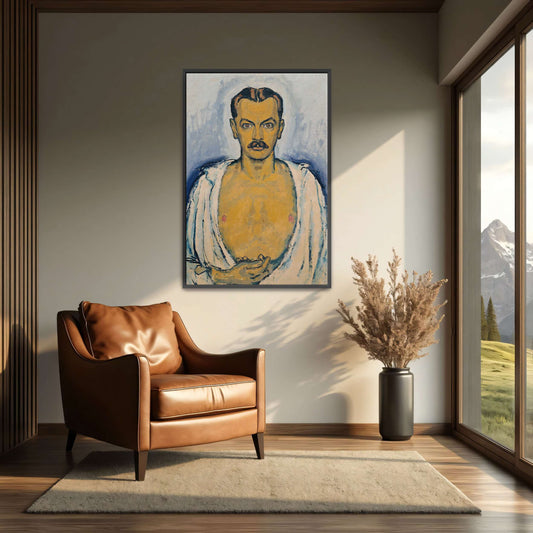
Alexej von Jawlensky pushed the face toward pure color and shape. His Self-Portrait (1911) uses strong, unmixed color, and his later heads become simple crosses of color. Vincent van Gogh's Self-Portrait (1887) comes from his Paris years. Mikuláš Galanda gave Slovak mothers and children rounded, modern forms in the 1930s.
Victorian and Edwardian years
Strictly, a Victorian portrait painting is British and dates from 1837 to 1901. Our closest matches come from the same decades elsewhere. They include Bernard-Romain Julien's studies of heads from 1840, Klimt's early portraits of the 1890s and Frederick Arthur Bridgman's Orientalist figures. Harrison Fisher's Woman in White Veil (1914) shows the American magazine girl of the early 1900s. William McGregor Paxton painted Boston society women with a soft, polished finish.
Choosing and hanging a portrait
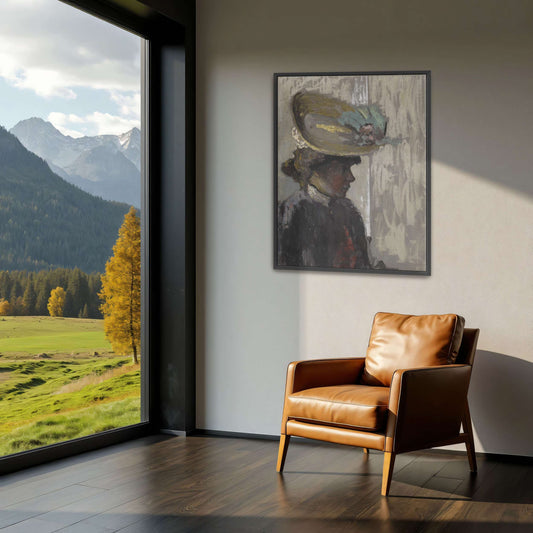
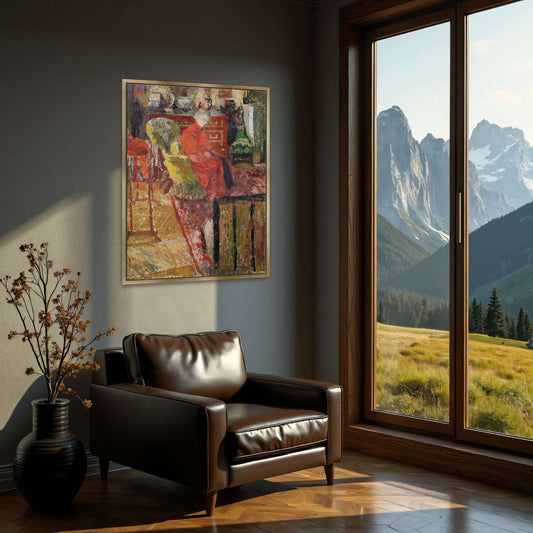
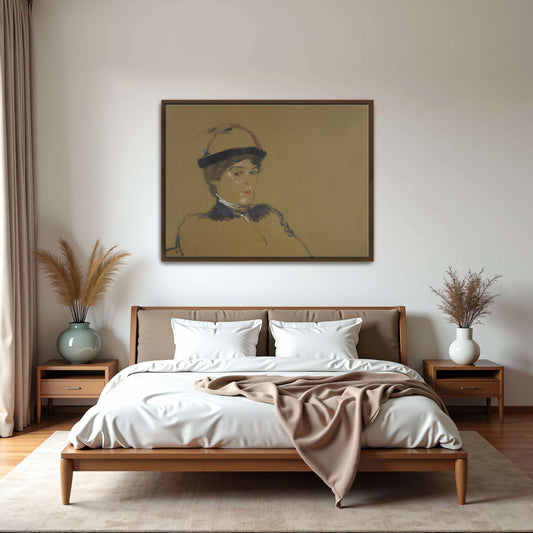
A single portrait works as a focal point in a hallway, a study or a bedroom. Hang the center of the picture about 57 inches from the floor, a common gallery guideline. Two portraits facing each other make a strong pair. Gold frames suit Klimt, and black or white frames suit the modern heads. Portraits of children, such as Mäda Primavesi or Harrison Fisher's mothers with children, suit a nursery or a family room. Vuillard's group interiors fill a wider wall.
Sizes and formats
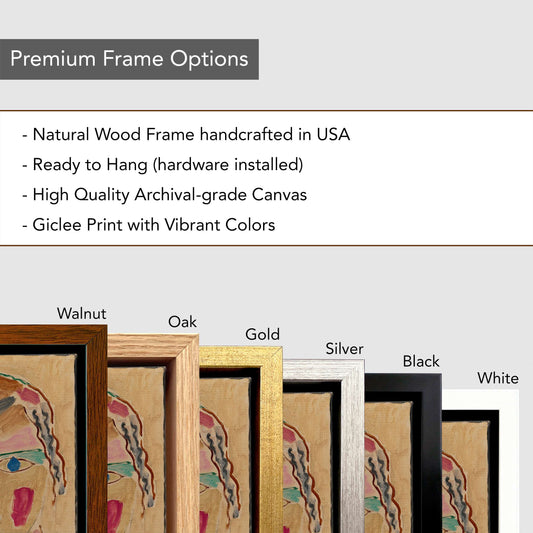
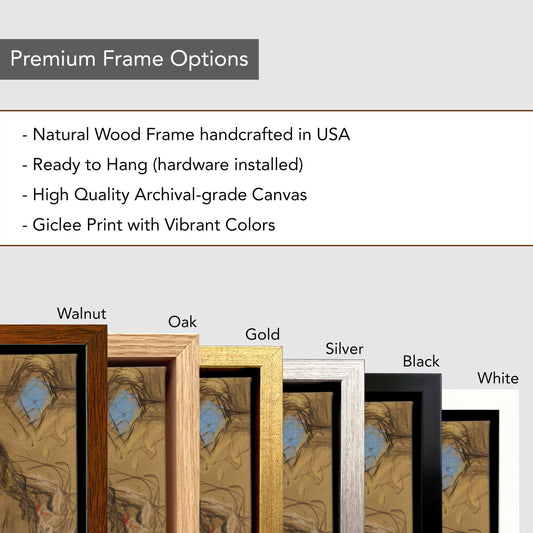
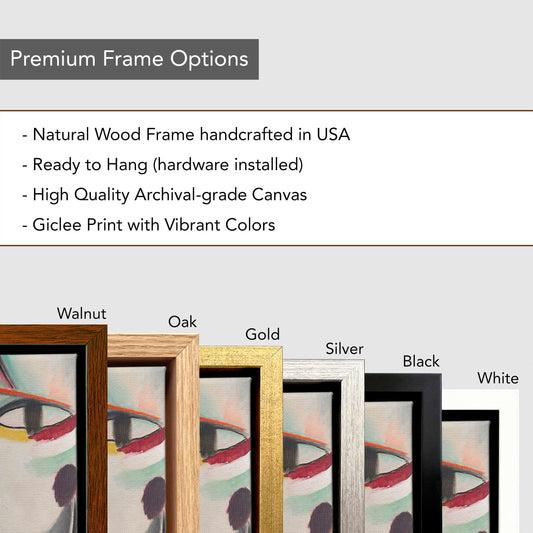
Sizes run from 8 × 12 to 28 × 42 inches, or from 11 × 14 to 30 × 40 inches. The range depends on the shape of the work. Each product page shows the current price for every size and format. Frames come in black, white, gold, silver, walnut and oak. The paper is 340gsm, 100% cotton rag, and ships rolled in a tube. The canvas is acid-free, with giclée printing rated for more than 100 years of fade resistance.
Related collections
Several painters have their own pages: Gustav Klimt Prints, Édouard Vuillard Prints and Alexej von Jawlensky Prints. For portraits in black and dim interiors, see Moody Wall Art.